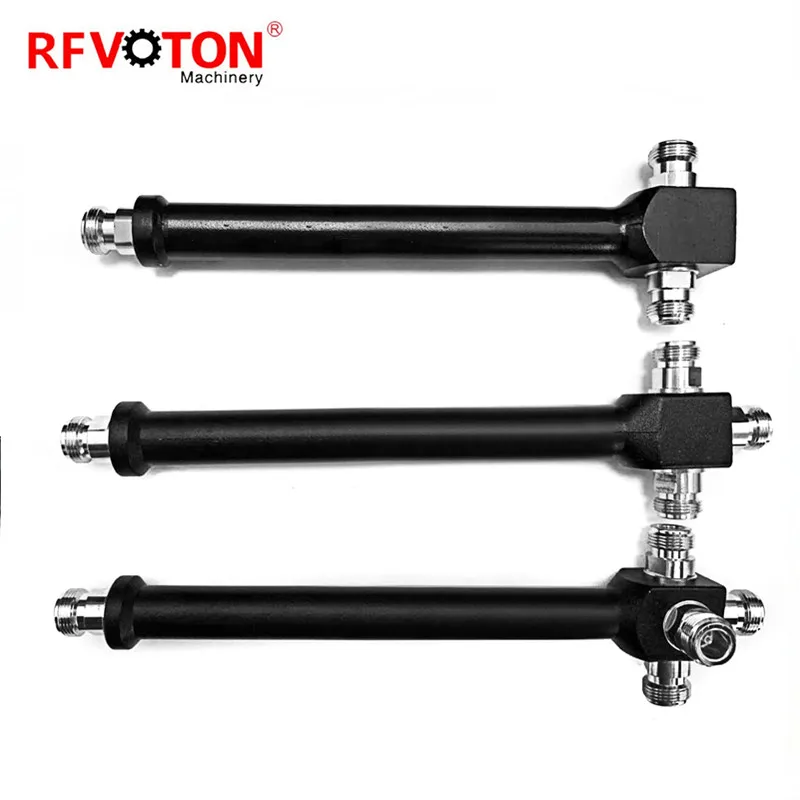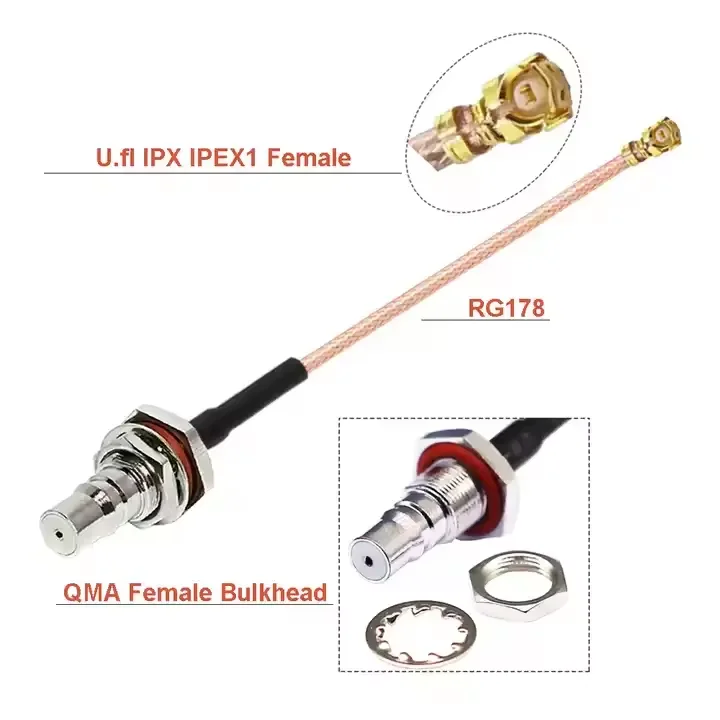
If you’ve ever installed a television or internet connection, you probably have used a coax cable assembly without even realizing it. “These are special cables that are critical to ensuring your technology worked well. In this post, we are going to learn about coax cable assemblies, advantages of using them, selecting the best one, its various connectors, and getting optimum performance from them.
Introduction Of Coax Cable Assemblies Coax cable assemblies make your technology work better. They also are designed to carry strong signals with minimal loss: Your TV shows and internet will be faster. These cables also offer limited interference from other devices so that your signal can clearly shine through. And they’re strong and renewable, so they can last a long time to keep even your technology running smoothly.
When shopping for a coax cable assembly, consider what kind of signal you want to transmit, such as video, audio, or data. For different uses, there are different cables that you want to choose the right one for your needs. Then there’s the question of cable length. While longer cables can have signal loss, so it’s just worth getting a good one.
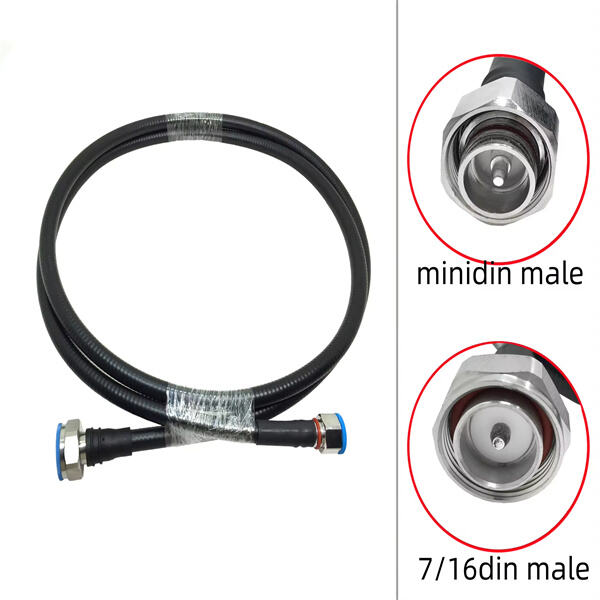
Coax cable connections are very versatile and widely used. Whether you’re installing a TV, a security camera or fast internet, these cables have you covered. They’re for indoor and outdoor use, in sun and rain. Their tough outer surface protects them from being damaged.
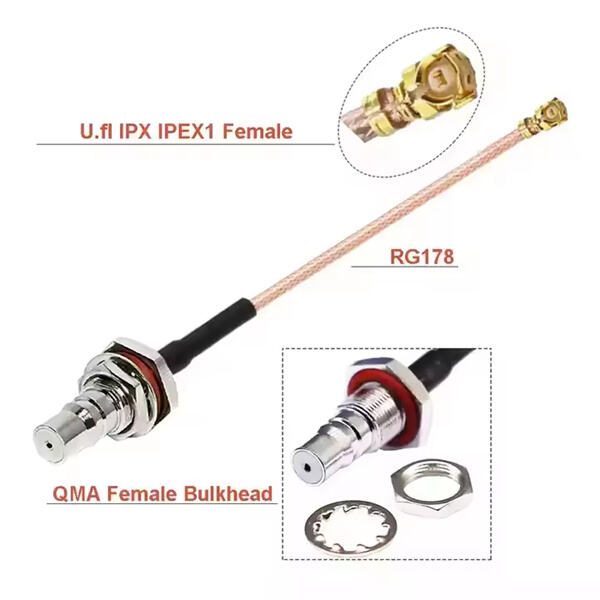
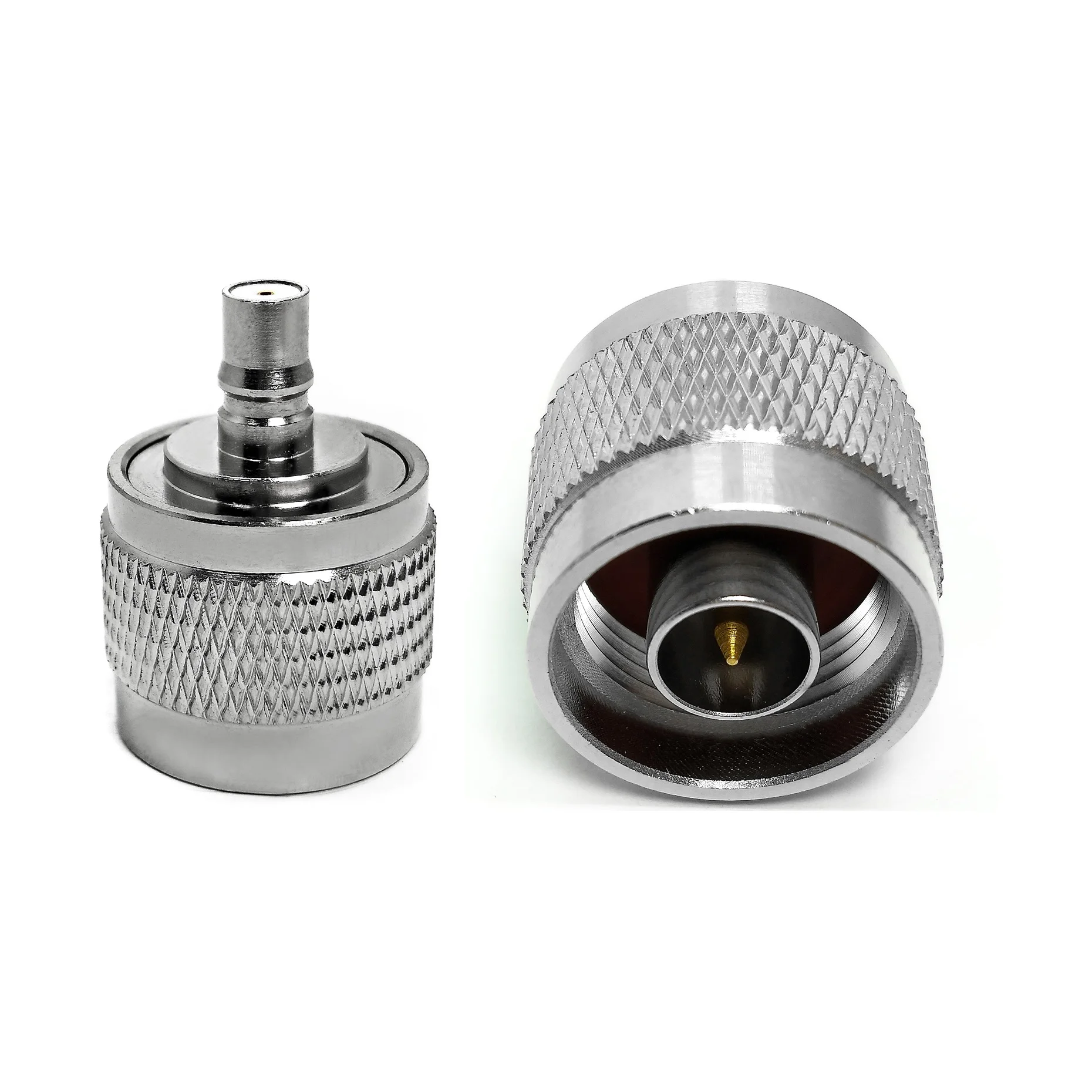
As you check out coax cable assemblies, there are a few standard connectors you'll come across. The common ones are BNC, F-type, SMA, N-type connectors. BNC style connectors are easy to connect without any need of pin and punch. TV connections are F-type connectors. SMA Small and tight connectors, suitable for uses in high frequency. These N-type connectors are rugged and weatherproof for outdoor use.
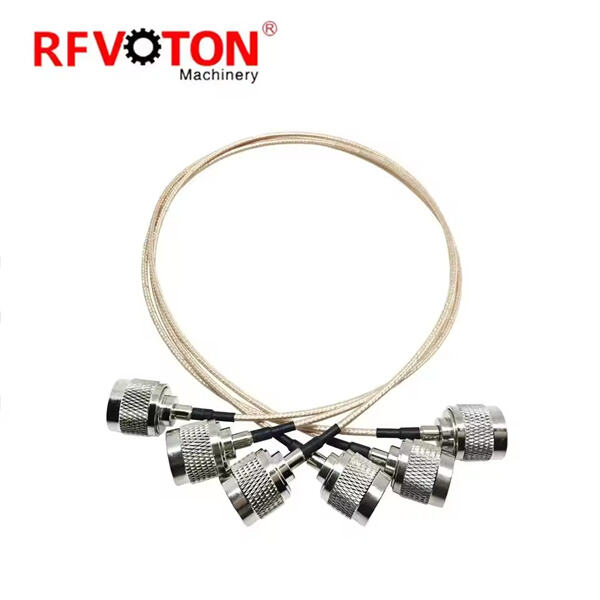
For the best performance from your coax cable assemblies, select a cable that delivers both low signal loss and superior shielding. Seek out cables that have solid copper conductors, which perform better than those made with aluminum or steel inside. Good shielding prevents interference, and good insulation helps keep the signal strong.
products sold North America and Europe, and have partnered with a variety Fortune 500 coax cable assemblies, well-known universities, and research institutes. We export to more than 140 countries and regions.We are looking forward to working with you as your supplier.
have passed certifications like ISO9001, CE RoHS, FCC UL IP68. also hold 18 patents for products and recognized as a High-Tech Enterprise in Jiangsu Province. products are coax cable assemblies to meet the requirements your business and come with top quality.
coax cable assemblies Voton Machinery Co., Ltd.is high-tech certification firm, only involved in the research and development, sales service of RF adapters, RF connectors, antennas, coaxial cables, surge arrestor and passive components, but also customized according to customer needs which includes proofing and verification services along product configuration, tests optimization.
can customize according the needs customers, such as the provision of samples, product configurations, testing as well as optimization services. make coaxial connectors for N, F and SMA coax cable assemblies, addition to BNC TNC, QMA and BNC. are currently preparing ourselves to be an important player the RF industry.
 EN
EN
 AR
AR
 BG
BG
 HR
HR
 CS
CS
 NL
NL
 FI
FI
 FR
FR
 DE
DE
 EL
EL
 HI
HI
 IT
IT
 JA
JA
 KO
KO
 NO
NO
 PL
PL
 PT
PT
 RO
RO
 RU
RU
 ES
ES
 TL
TL
 IW
IW
 ID
ID
 VI
VI
 HU
HU
 TH
TH
 TR
TR
 FA
FA
 MS
MS
 UR
UR
 HA
HA
 JW
JW
 LA
LA
 MY
MY
 KK
KK
 TG
TG
 UZ
UZ
 AM
AM
 PS
PS