RF semi-rigid cables are a special type of cable that helps two different electronic devices talk to each other. The cables transport radio frequency signals, which are crucial for things like Wi-Fi, cellphones and television signals.
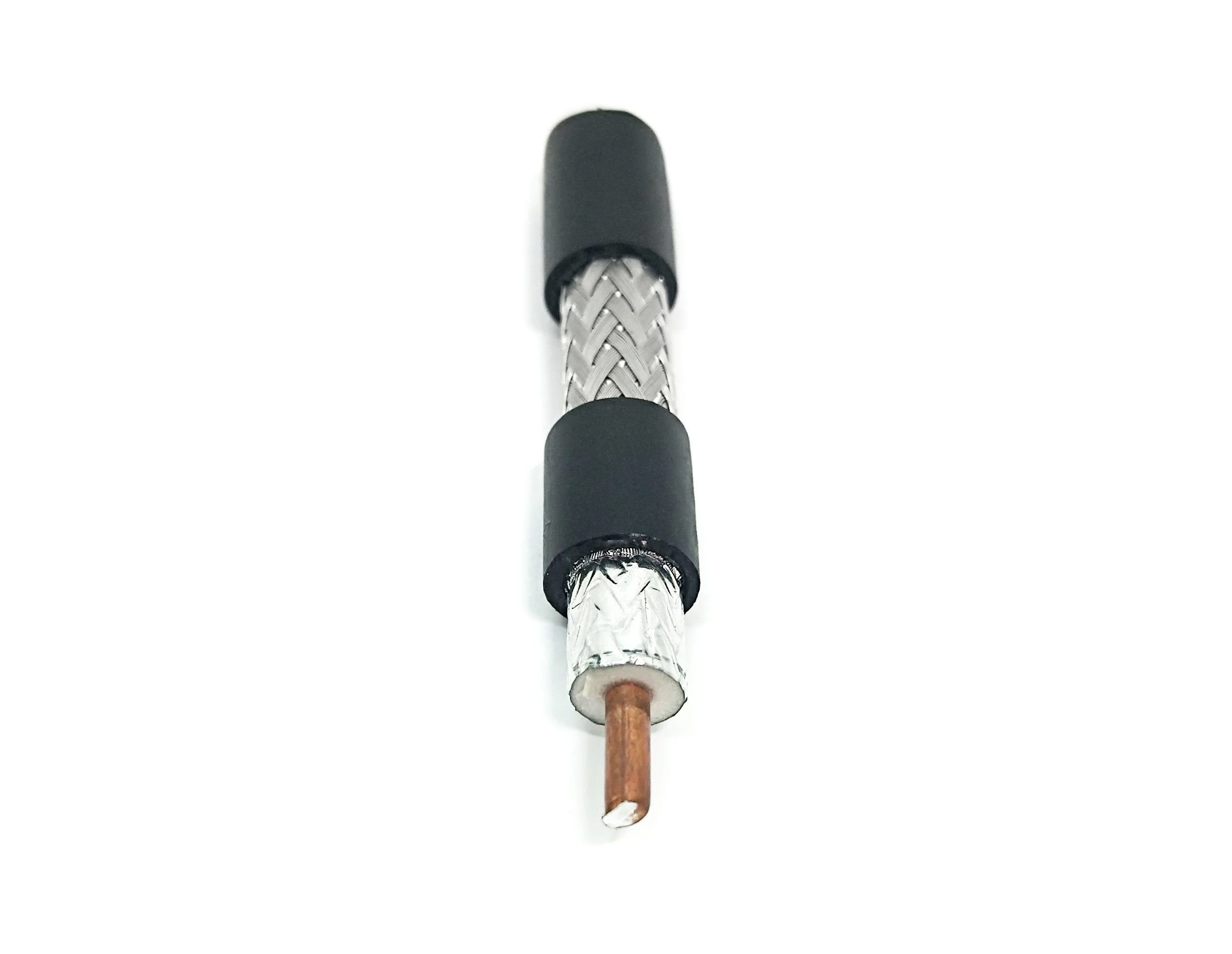
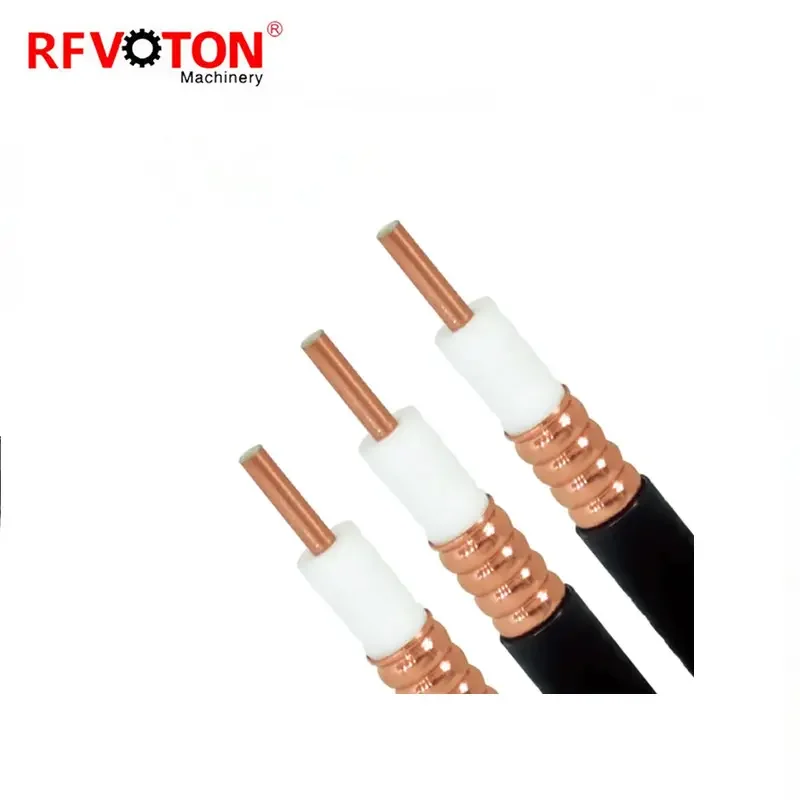
Basic Components of a Semi-Rigid RF Cable The semi-rigid RF cable consists of three major components the solid inner conductor, the dielectric insulator, and a metal outer conductor. These components cooperate to help ensure that radio frequency signals can pass from one piece of equipment to another without excessive degradation in strength. The metal outer conductor protects the strength of the signal from noise and interference, while the insulator prevents the signal from leaking out and creating noise.
There are several advantages of utilizing semi-rigid RF cables. They carry radio frequency signals over long distances without losing strength, which is one big advantage. What this means is that devices that are relatively far away from one another can still communicate quite well. One other advantage is that these wires are really, really strong, and can last a long time–which is essential for items you use all the time.
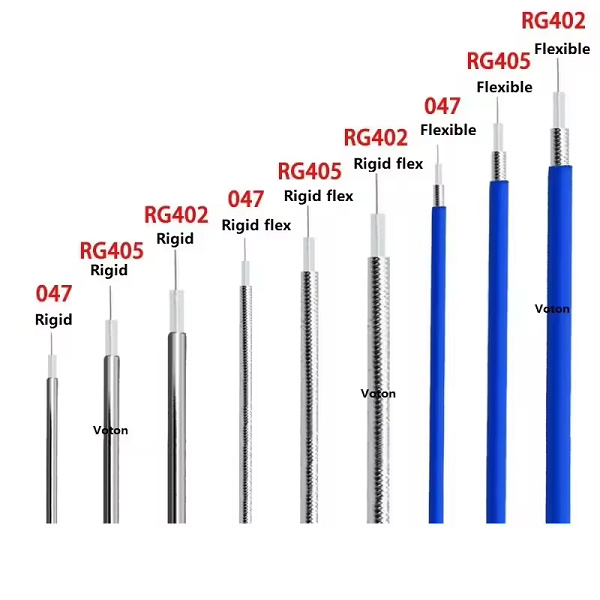
One important thing to mention is that there is a distinction between semi-rigid RF cables and flexible RF cables. Flexible RF cables feature numerous tiny wires that are able to flex. This can be beneficial occasionally but can also weaken the signal. Semi-rigid RF cables are constructed of solid components that don’t move very much and, therefore, can keep the signal strong.
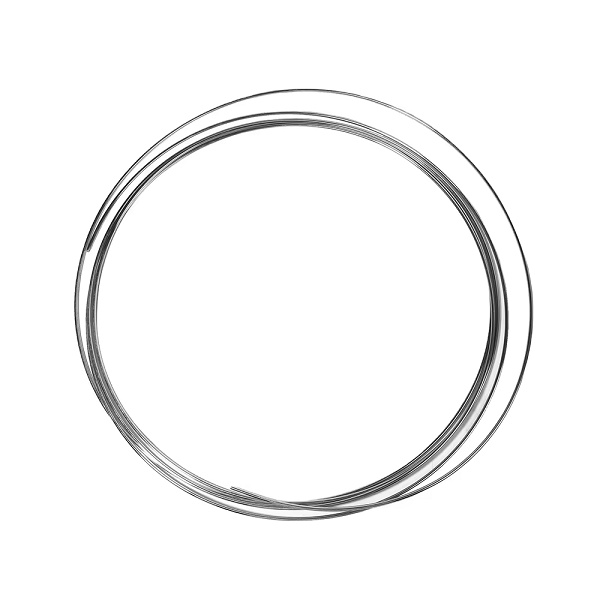
To ensure that semi-rigid RF cables function properly, care must be taken to install and maintain them. It is also essential to not twist or bend the cables too much when inserting them to avoid disrupting the signal. The cables should also be firmly attached to the components they interface. To care for the cables, inspect them frequently for wear or damage. In the event there are issues, address them promptly to prevent communication challenges.
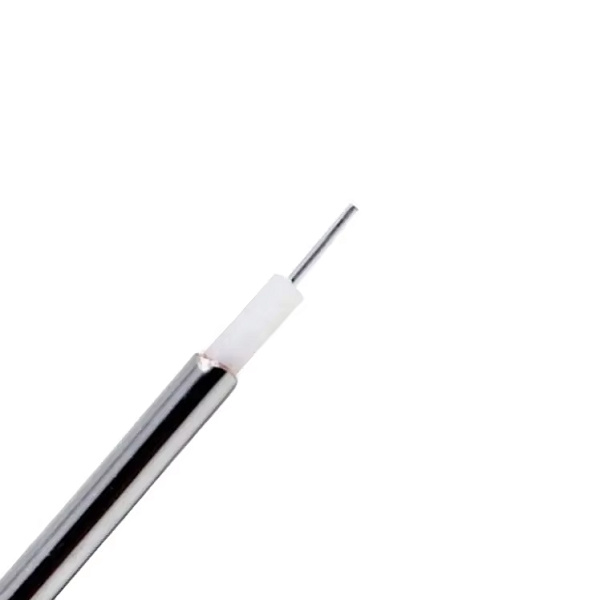
Semi-rigid RF cable are found in various industries and for a variety of applications. In the aerospace industry, they join together parts of airplanes and satellites. In telecommunications, they transmit signals for cellphones and internet connections. They are also employed in such medical machines as MRI scanners and heart monitors. In general, semi-rigid RF cables are highly significant for connecting one another on a daily basis!
export over 140 countries regions. export more than 140 countries and semi rigid rf cable.
have obtained certifications such ISO9001, CE RoHS, FCC UL IP68. company also has 18 patents product semi rigid rf cableand is recognized a high-tech company in Jiangsu Province.Our products are certified and high quality, guaranteed satisfy your needs as a business.
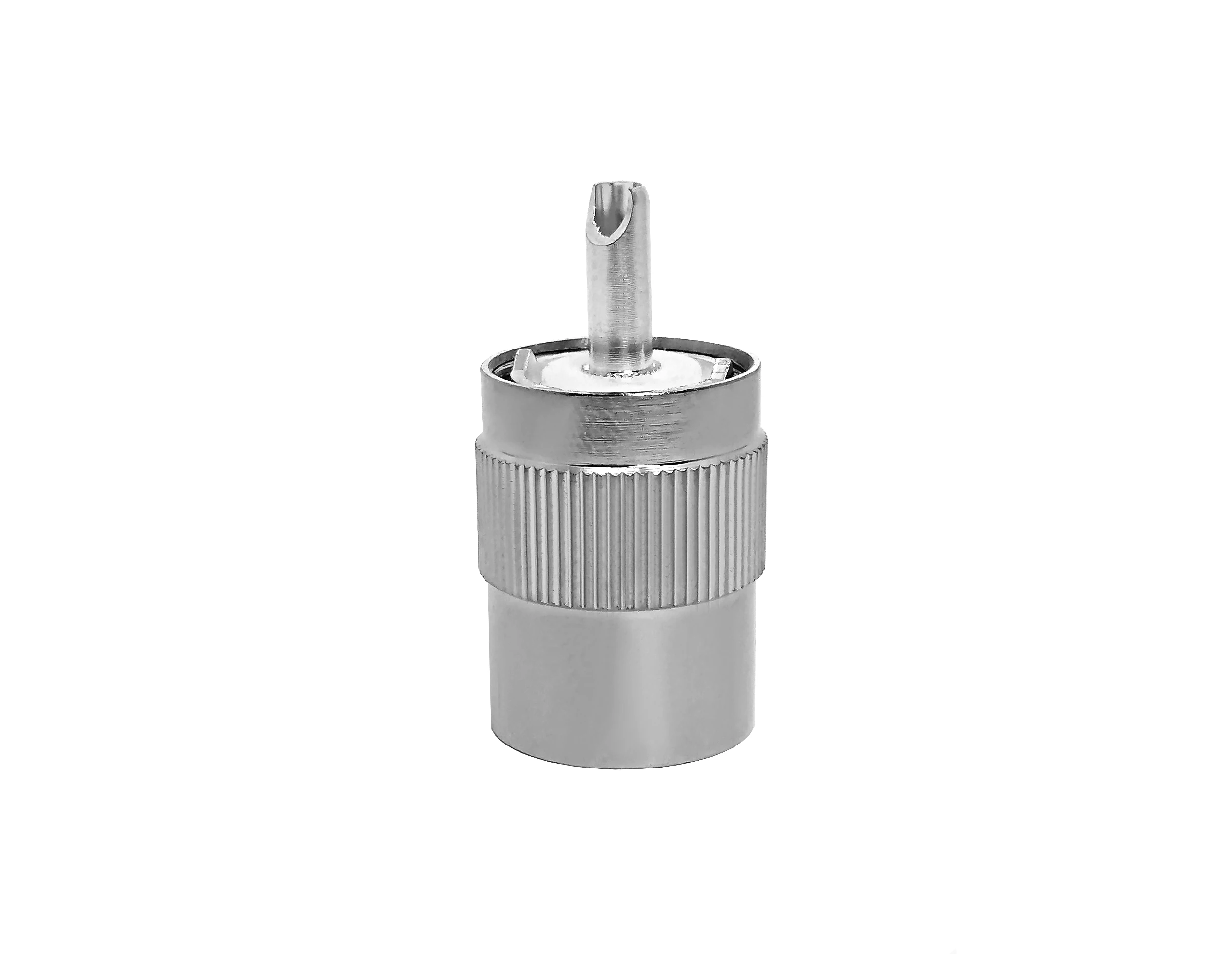
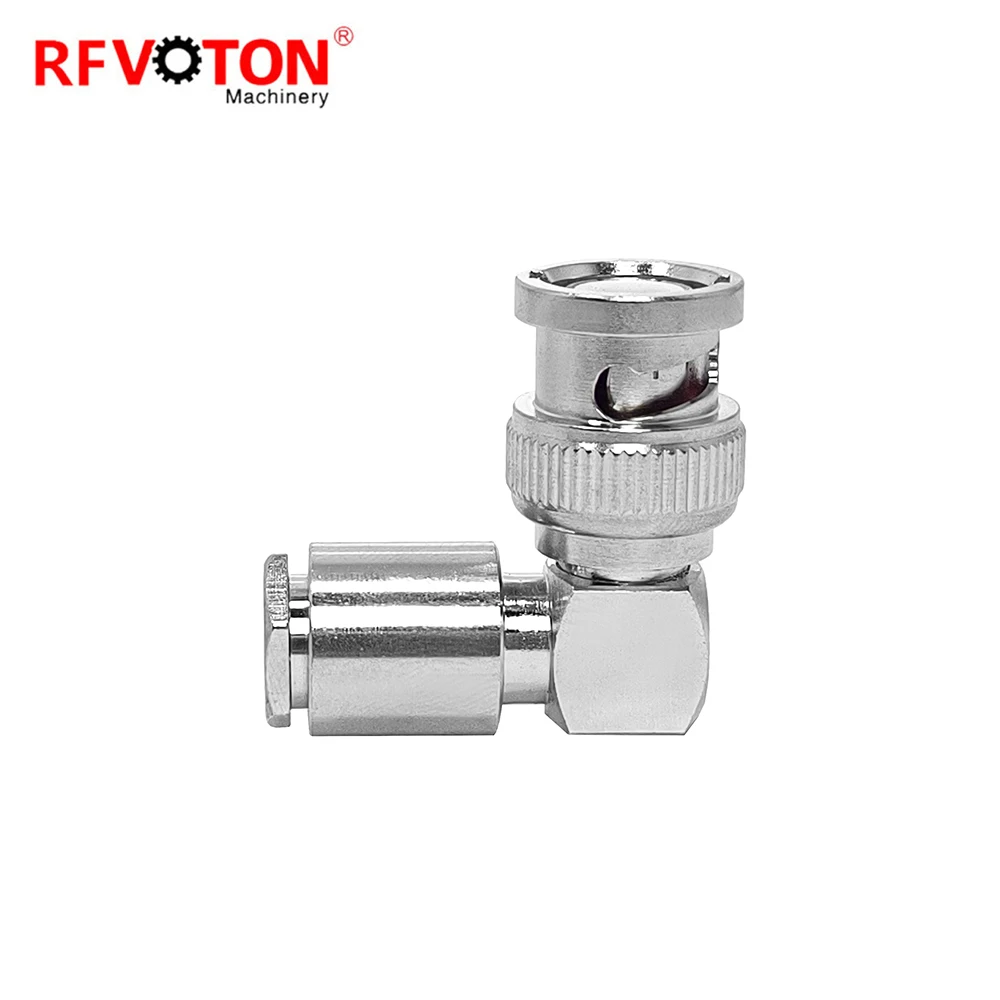
offer a variety of services to fulfill needs of our customers for example, samples, product configuration tests, optimization services. semi rigid rf cablecoaxial connectors in SMA, N and F models, as well as BNC TNC, QMA and. are in the process of becoming important participant in the RF field.
Zhenjiang Voton Machinery., Ltd.a high-tech certification enterprise, not only involved R and D and sales, but also service and maintenance of RF adapters, RF connectors, coaxial cables and antennas, but also in the production of surge arrestors, and passive components however, they also customize according to customer needs which includes proofing semi rigid rf cable services and product configuration selection testing optimization services.
 EN
EN
 AR
AR
 BG
BG
 HR
HR
 CS
CS
 NL
NL
 FI
FI
 FR
FR
 DE
DE
 EL
EL
 HI
HI
 IT
IT
 JA
JA
 KO
KO
 NO
NO
 PL
PL
 PT
PT
 RO
RO
 RU
RU
 ES
ES
 TL
TL
 IW
IW
 ID
ID
 VI
VI
 HU
HU
 TH
TH
 TR
TR
 FA
FA
 MS
MS
 UR
UR
 HA
HA
 JW
JW
 LA
LA
 MY
MY
 KK
KK
 TG
TG
 UZ
UZ
 AM
AM
 PS
PS