Semi-rigid RF or microwave coaxial cables are unique type of cables found in electronic systems. And they have a center wire, and that cen- 1 ter wire is, usually, solid. This wire is insulated and then enveloped by another wire, the outer conductor. The outer conductor is typically composed of metal (for example, a braid or a foil), and serves both to protect the inner wire from interference, and to prevent the wire from losing signals.
One huge advantage of semi-rigid coax cables is that they are strong and reliable. They’re designed to withstand high temperatures and harsh conditions, so they're ideal for harsh environments. These cables also experience low signal loss, so they can transmit basic signals down long runs without turning into a mess of noise. This is crucial when clear signals are desired.
Semi-rigid coax are not the same as regular coax cables, such as flexible coax. Flexible coax cables can bend (and twist), whereas semi-rigid coax cables are stiffer and can only bend (albeit a small amount). This makes them ideal for communication scenarios where sending signals accurately is a high priority. Semi-rigid coaxial cables also minimize interference and loss of signal power compared to flexible cables.
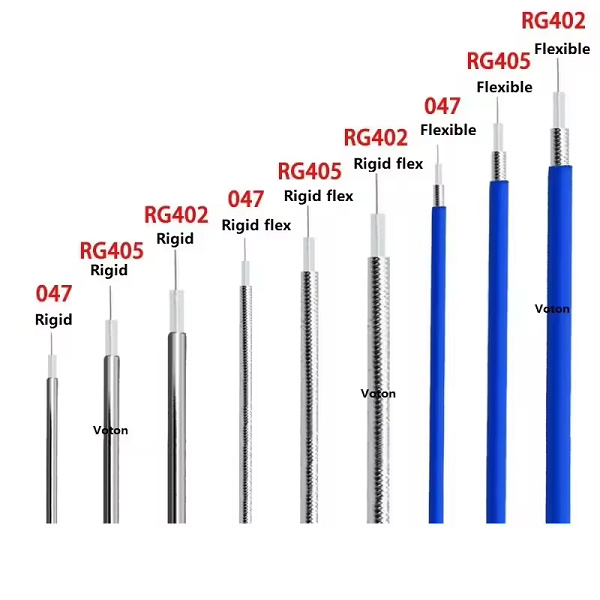
Semi-rigid coaxial cables are very common in aerospace and the military because of their strength and durability. They are employed in radar systems, satellite systems, communication systems where one needs a clear signal. They are also employed in electronic-warfare systems, where they can process a lot of electromagnetic interference. In general, these cables help ensure that communication and surveillance systems function properly in these settings.
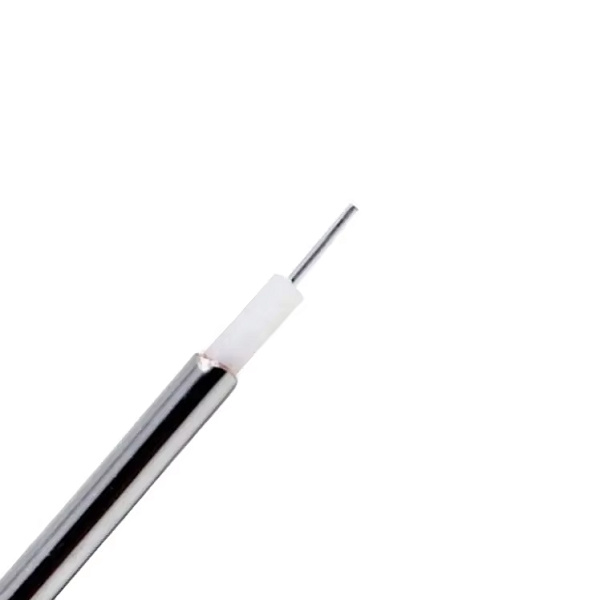
When you set a semi-rigid coax cable, you must not strike the interior wire. Use the proper tools, such as coaxial cable strippers, which safely remove the outer insulation without damaging the inner wire. When you curve the leads, do so gently, and try to avoid sharp corners, as this may decrease the signal on the line.
7: Caring for semi-rigid coax cables For maintaining semi-rigid coax cables, keep inspecting them for damages. Replace any cables you suspect of being frayed or kinked to avoid losing signals. Observe and do not dirty the connectors and return the connectors as connectors contact well.
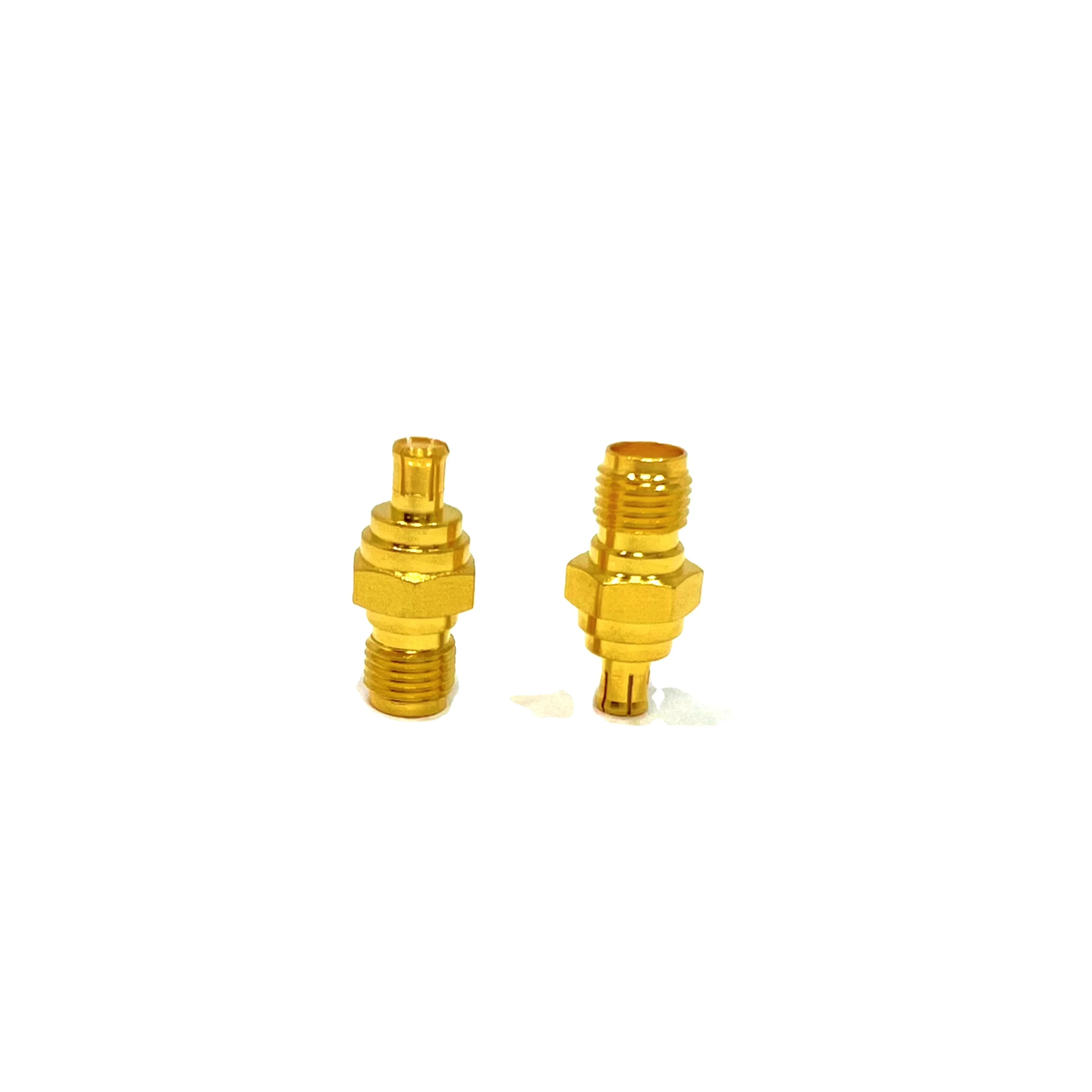
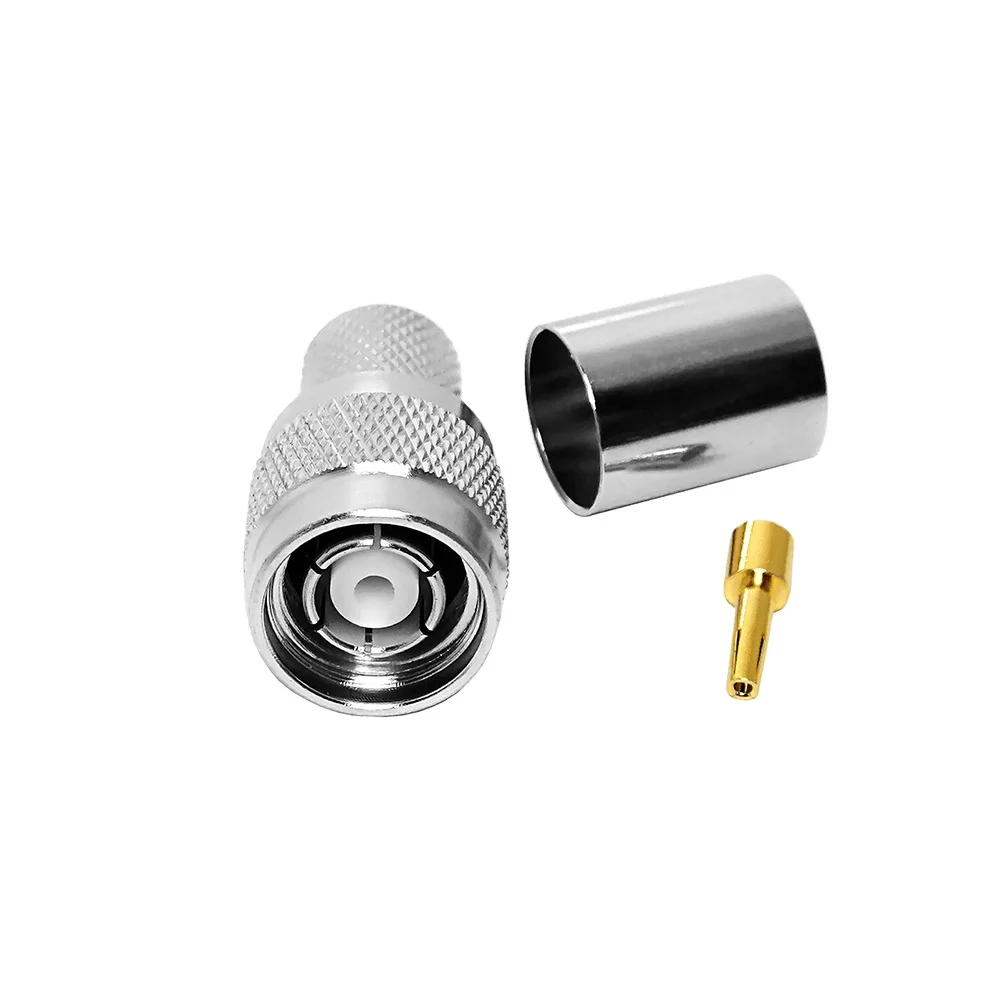
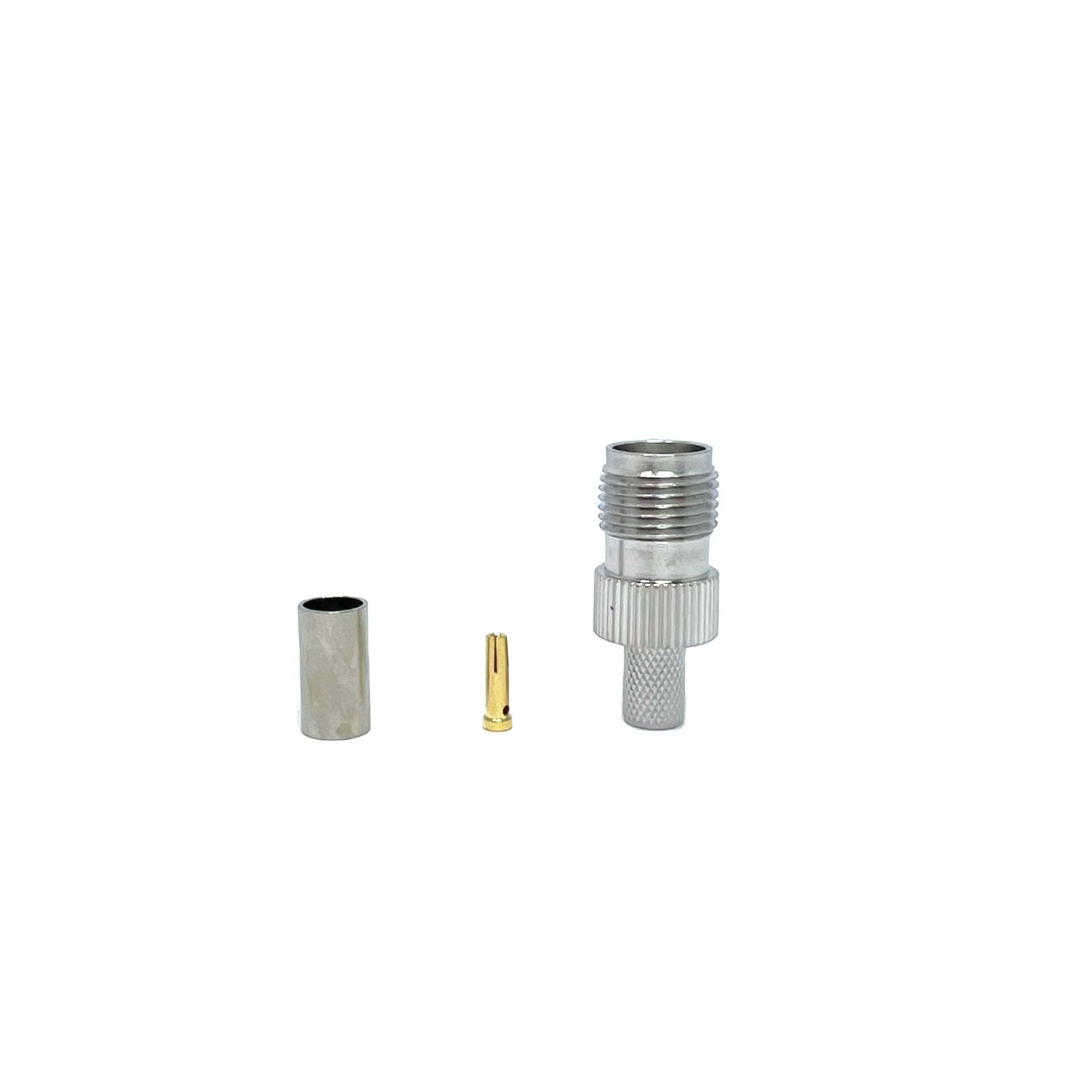
We provide range of services to semi rigid coaxneeds of our customers, such sampling services, product configuration, testing, optimization services. We produce coaxial connectors SMA, N, F BNC, TNC QMA, EIA, 7/16DIN, 4.3/10 UHF, MCX M5, 10-23, and different models. We are working be an important player in RF field.
Zhenjiang Voton Machinery Co., Ltd. an advanced technology company is specialized in R and D, services, sales of RF adapters antennas, connectors, cables surge protectors, passive components. They also offer variety of customized services, including proofing, configuration selection, testing, optimization depending on the semi rigid coax of the client.
export over 140 countries regions. export more than 140 countries and semi rigid coax.
have obtained certifications such ISO9001, CE RoHS, FCC UL IP68. company also has 18 patents product semi rigid coaxand is recognized a high-tech company in Jiangsu Province.Our products are certified and high quality, guaranteed satisfy your needs as a business.
 EN
EN
 AR
AR
 BG
BG
 HR
HR
 CS
CS
 NL
NL
 FI
FI
 FR
FR
 DE
DE
 EL
EL
 HI
HI
 IT
IT
 JA
JA
 KO
KO
 NO
NO
 PL
PL
 PT
PT
 RO
RO
 RU
RU
 ES
ES
 TL
TL
 IW
IW
 ID
ID
 VI
VI
 HU
HU
 TH
TH
 TR
TR
 FA
FA
 MS
MS
 UR
UR
 HA
HA
 JW
JW
 LA
LA
 MY
MY
 KK
KK
 TG
TG
 UZ
UZ
 AM
AM
 PS
PS