
 EN
EN
 AR
AR
 BG
BG
 HR
HR
 CS
CS
 NL
NL
 FI
FI
 FR
FR
 DE
DE
 EL
EL
 HI
HI
 IT
IT
 JA
JA
 KO
KO
 NO
NO
 PL
PL
 PT
PT
 RO
RO
 RU
RU
 ES
ES
 TL
TL
 IW
IW
 ID
ID
 VI
VI
 HU
HU
 TH
TH
 TR
TR
 FA
FA
 MS
MS
 UR
UR
 HA
HA
 JW
JW
 LA
LA
 MY
MY
 KK
KK
 TG
TG
 UZ
UZ
 AM
AM
 PS
PS

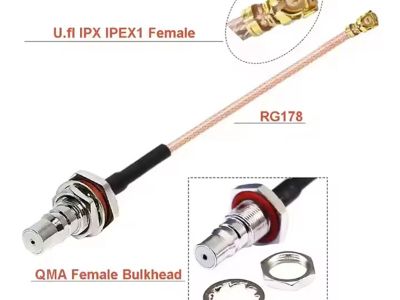
Signal reflection occurs when electrical signals rebound along a cable rather than transferring cleanly from one end to the other. This can lead to problems such as weak signals, noise and slower data. We at RFVOTON understand how maddening these problems can become, especially when you rely on your cable assemblies for critical work. It’s not always easy to avoid signal reflection problems, but by understanding how cable assembly are made and used you should be able to save yourself from a lot of aggravation brought about by common mistakes. Ensuring that your cables are correct the first time saves you time and money. Here’s a look at what it takes to keep your signals strong and clean with custom cable assemblies and what buyers need to be aware of in order to ensure that quality remains high.
Custom Cable Assemblies – How to Minimize Signal Reflection What Are the Best 5 Practices and Strategies?
The thing you want to achieve is effectively matching the impedance of the cable to the devices it connects. If the cable and the gear don’t see matching impedance, signals will tend to bounce back and forth. For instance, if you have a device that is 50 ohms and you use a cable of 75 ohms or higher, most of your signal can reflect back. Here at RFVOTON we will ensure that every custom cable assembly is constructed to fit the equipment it’s intended for preventing this frustration. Another factor is to use good connectors and make sure to have them connected right. But even very small bends can disrupt signals to scatter and reflect. And sometimes people forget to consider the length of the cable. Long cable length attenuates the signal, and if the cable is bent sharply or twisted it can cause poorer connections due to cracked or changed wires which reflect signals. Of course, cable runs should be as short as possible without reducing the stretch needed. Shielding is also vital. A good shield will protect the cable against outside interference which can also ride with the signal and create reflection issues. Our cables at RFVOTON utilise different layers of materials as shield to eliminate any noise from other device or power line. It may be the most overlooked test: once cables have been made, a test is conducted. Testing would be needed to determine if reflections actually occur in real life. We sweep every cable to ensure there are no reflections and then troubleshoot any problems before they ship. So whether it’s choosing the right materials, careful assembly or testing, you’re taking a step to prevent signal reflection and keep your connection clean and strong.
How Does Wholesale Buyers of Cable Assemblies Achieve Higher Signal Integrity?
Wholesale purchasers are given a tremendous task in choosing cable assemblies. They have to ensure that products perform effectively and do not introduce issues like signal reflection. A wise shopper looks past price and asks hard questions about cable construction. ABuyers who are looking for more details of our production process and quality control are welcomed. One key point is to verify if assembly cable are suitable for the devices used by their customers. If a purchaser buys cables that do not match the impedance or frequency requirements of the equipment, he’ll soon have reflection problems on his hands. Buyers sometimes mistakenly buy standard cables that don’t fit custom needs. We counsel buyers to seek custom offerings when appropriate, not just parts off the shelf. Buyers also can avoid problems by reviewing the supplier’s testing processes. Do cables undergo testing for reflectance and attenuation? Do they meet industry requirements? We offer concise reports that show how our cables fare when exposed to real life. Buyers should also be on the lookout for how cables are packaged and shipped. Cables and connectors can be damaged by rough handling or inadequate packaging, resulting in reflection problems later. RFVOTON bundles cables neatly and securely for transportation. Communication is key too. Buyers who partner with a supplier have the ability to identify potential issues early and ensure that the cables are tailored precisely. We often assist customers by educating them on how to treat cables right once deliver to ensure signal integrity in the field. Finally, buyers can request samples and conduct their own tests. This step is crucial in order to identify any reflection issues before ordering in large quantities. When buyers follow these practices, they receive cable assemblies that maintain signal precision for years and provide peace of mind down the road. It’s a different ballgame when you go with a cautious and knowledgeable partner like RFVOTON.
What material and configuration can reduce reflection when a signal is transmitting through the cable assembly?
Signal reflection is a major issue when it comes to cable assemblies. Signal reflection occurs when a signal in the cable is reflected rather than advancing. The result can be poor performance, slower speeds and even data loss. One way to minimize this is by using the right materials and designs that help prevent signal reflection.
First, let’s talk about materials. The cable’s core, where the signal actually runs, is typically copper. Copper is perfect in that it’s a good electrical conductor. Yet not all copper is created equal. Copper, excellent pure copper material with low resistance make the signal transmission more fluid. A dedicated copper conductor is used for optimum communication performance between components.
Next there is the insulation around the copper core. This part contains the signal and prevents external signals from interfering. These are made of materials that have low signal loss and help keep the signal straight, such as foam polyethylene or PTFE (a type of plastic). The better the insulation, the less chance the signal will rebound.
The cable design is also a big factor. For instance, the thickness of both the copper core and insulation must be just right. When the cable is too thick or thin, the signal may be lost or reflected. RFVOTON meticulously "tunes" its cables to the proper GHz range, and with the correct size of conductor (thickness) and dielectric material (distance from the surface of center conductor to shield) so that digital signals move forward in appropriate fashion.
Impedance is another very important design consideration of the cable. Impedance is resistance with a signal. These signals move through the cable more readily without reflection when its impedance is consistent with the components it joins. RFVOTON ensures their cable assemblies are of the proper impedance to mate correctly with your gear.
The third is shielding which is used to isolate the signals from external noise. If you get good shielding, either braided copper or aluminum foil will encase the cable and block unwanted signals. This helps to keep the signal clean and minimize reflections.
In a word, with quality of copper, insulating material of good choice, appropriate thickness and standard impedance cabling as well as strong shield working together, to minimize the signal reflection. RFVOTON utilizes these materials and designs to ensure that our cables assemblies deliver the strongest, truest signal in all applications.
Choosing the Right Cable Assemblies for Signal Reflection When You Buy in Wholesale
If you ever buy cable assemblies in mass quantities, it's very important to get an assembly that has low signal reflection. This ensures that your devices are running optimally, thereby avoiding issues like lost data or slow connections. When you are buying in bulk, then it’s important to be even more careful because the type of cables must be chosen carefully. There are a few easy things you could consider when making a purchasing decision, especially from an RFVOTON aspect.
First, consider the quality of the materials. As we discovered, pure copper and good insulation are what prevents a reflection. So ask the supplier what materials are being used. RFVOTON only uses the highest quality would backed by our straighforward lifetime guarantee of satisfaction. Ensure that your wholesale order consists of cables crafted from these materials.
Second, inspect the design of your cable assemblies. This also depends on such factors as cable size and connector types. For bulk orders, you'll need to purchase cables that have been tested for and tailored to fit your devices. RFVOTON designs its cables with precisely controlled dimensions and impedance in order to convey the signal without bouncing it back.
The third is to look for certificates or test reports. A good provider such as RFVOTON will offer testing evidence that their cables work well and cut down signal reflection. These reports indicate that the cables have passed significant tests, and will work well in actual use.
Table of Contents
- Custom Cable Assemblies – How to Minimize Signal Reflection What Are the Best 5 Practices and Strategies?
- How Does Wholesale Buyers of Cable Assemblies Achieve Higher Signal Integrity?
- What material and configuration can reduce reflection when a signal is transmitting through the cable assembly?
- Choosing the Right Cable Assemblies for Signal Reflection When You Buy in Wholesale