
 EN
EN
 AR
AR
 BG
BG
 HR
HR
 CS
CS
 NL
NL
 FI
FI
 FR
FR
 DE
DE
 EL
EL
 HI
HI
 IT
IT
 JA
JA
 KO
KO
 NO
NO
 PL
PL
 PT
PT
 RO
RO
 RU
RU
 ES
ES
 TL
TL
 IW
IW
 ID
ID
 VI
VI
 HU
HU
 TH
TH
 TR
TR
 FA
FA
 MS
MS
 UR
UR
 HA
HA
 JW
JW
 LA
LA
 MY
MY
 KK
KK
 TG
TG
 UZ
UZ
 AM
AM
 PS
PS

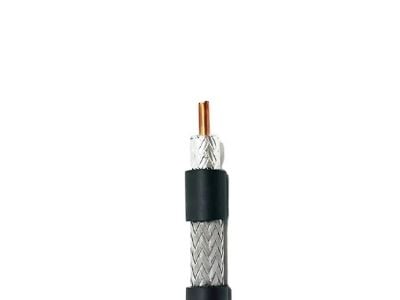
When talking about LMR400 cable, it is important to understand how it works and what it does. This type of cable is often used in radio communications, antennas, and other devices that need to send signals over distances. One key feature of LMR400 cable is its ability to reduce signal loss, which is called attenuation. This means that when signals travel through the cable, they do not lose too much strength. Wholesale buyers need to be aware of how this attenuation affects their products and installations. RFVOTON specializes in cable assembly like LMR400, and we understand the importance of quality in these products. Choosing the right cable can make a big difference in how well devices work, especially in critical situations.
What Wholesale Buyers Need to Know?
Wholesale buyers should pay close attention to the specifications of LMR400 cable. It is designed to be low-loss, which means it helps keep signals strong over long distances. When buying in bulk, it’s essential to know how much attenuation the cable has. This is usually measured in decibels (dB) per 100 feet. A lower number means less signal loss. For example, if a buyer sees that a cable has an attenuation of 3.5 dB at 1 GHz, they can expect the signal to remain strong over that distance. Buyers should also consider the cable's flexibility and durability. LMR400 is made to be flexible, making it easier to install in tight spaces. However, if it is not handled properly, it might get damaged. It’s also crucial to check the cable's connectors. Good connectors can ensure better performance and reduce further losses. RFVOTON provides high-quality connectors that match our lmr 400 cable perfectly. Buyers should always ask about the materials used in the cable, like the type of shielding. Proper shielding protects the signal from interference, which can be a common problem in busy environments. Finally, consider the warranty. A good warranty shows that the manufacturer believes in the quality of their product. RFVOTON stands behind our cables with strong guarantees, so buyers can feel secure in their purchases.
What Are the Common Usage Issues with LMR400 Cable?
While LMR400 cable is generally reliable, there are some common issues that users might face. One frequent problem is physical damage. If the cable is bent too much or pulled tightly, it can break or lose effectiveness. Users need to be careful during installation to avoid kinks or sharp bends. Another concern is water damage. Even though many LMR400 cables are designed to be weather-resistant, they should not be submerged in water. If water does get inside, it can cause signal loss. Users should always check that connectors are properly sealed. Sometimes, users forget to check connections. Loose connections can lead to weak signals or complete signal loss. It is a simple fix, but it’s something that can be easily overlooked. Also, the environment where the cable is used can be a factor. In areas with a lot of electromagnetic interference, like near large machinery or radio towers, the signal can get affected. Users might need to use additional shielding or move the assembly cable away from these sources of interference. Lastly, people sometimes underestimate the importance of matching the cable to the right purpose. Using LMR400 for applications it wasn’t designed for can lead to problems. For example, if someone uses it for very high frequencies beyond its capacity, they will experience more signal loss. It’s essential to follow guidelines when choosing the right cable for a specific need. RFVOTON offers guidance on how to properly use our cables to prevent these issues. By understanding these common problems, users can enjoy better performance from their LMR400 cables.
Several factors that can affect how well the cable works.
One important factor is the quality of the material used in the cable. LMR400 cables are made of a special type of metal that helps send signals clearly. If the metal is not good quality, the signals can get weaker as they travel through the cable. This is called attenuation. Another factor is the length of the cable. The longer the cable, the more the signal can weaken. If you need to run the cable over a long distance, it might lose more signal than if it is shorter. Temperature can also play a big role. If the cable gets very hot or very cold, the materials can change, which can make the signal weaker too. Lastly, bends and twists in the cable can create problems. If the cable is bent too much, it can damage the wires inside and make the signal weaker. So, when buying LMR400 cable, it is important to think about these factors to make sure you get the best performance from your cable.
When looking to buy LMR400 cable in bulk, finding the right suppliers and distributors is crucial. One of the top suppliers is RFVOTON. They are known for providing high-quality cables at good prices. When you buy from RFVOTON, you can trust that you are getting reliable products. They have a wide range of cables and other accessories that can help with your needs. Good suppliers usually offer customer support as well. This means if you have questions about the cables or need help with an order, they are there to assist you. It is also a good idea to check reviews online. Other customers can share their experiences, which can help you decide if a supplier is good or not. When you choose a distributor, make sure they have a good reputation and are known for their quality. This can save you time and money in the long run. Overall, RFVOTON stands out as a great choice for anyone looking to buy LMR400 cable in bulk because of their commitment to quality and customer service.
Conclusion
Sometimes, even the best cables can have problems with attenuation. If your LMR400 cable is not working as well as you expected, there are a few steps you can take to troubleshoot the issue. First, check the connections. Make sure the ends of the cable are securely connected to the devices. If the connections are loose, this can cause a weak signal. Next, look for any visible damage on the cable. If you see any cuts, kinks, or bends, this might be affecting the signal. If everything looks fine, try using a shorter length of cable if you can. Sometimes, simply reducing the length can help improve the signal strength. You can also monitor the temperature around the cable. If it is too hot or too cold, try to move it to a more suitable environment. Lastly, if you still have issues, consider reaching out to RFVOTON for support. They can offer advice and help you solve the problem. By following these steps, you can often fix common issues with LMR400 cable attenuation and ensure that you get the best performance possible from your cables.