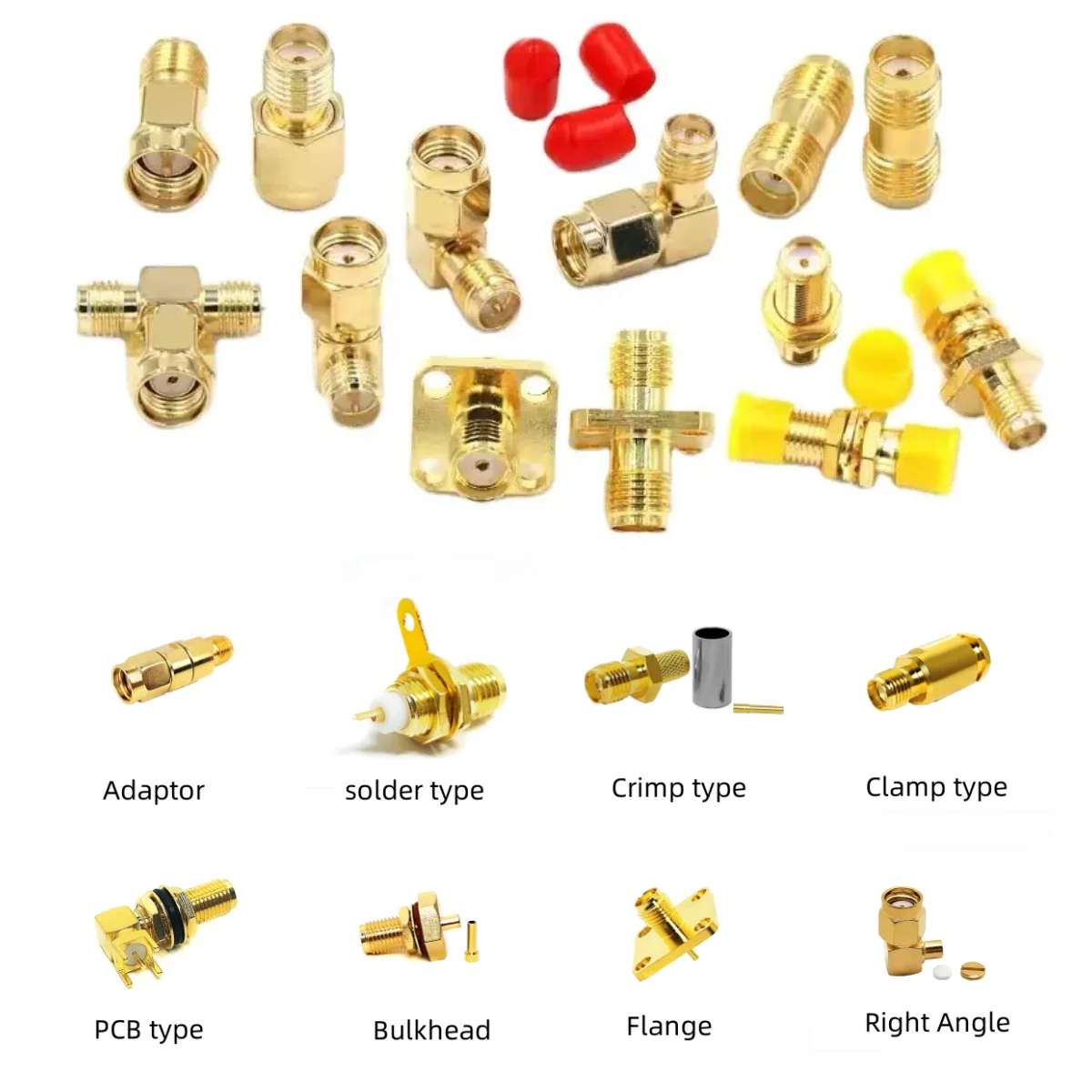
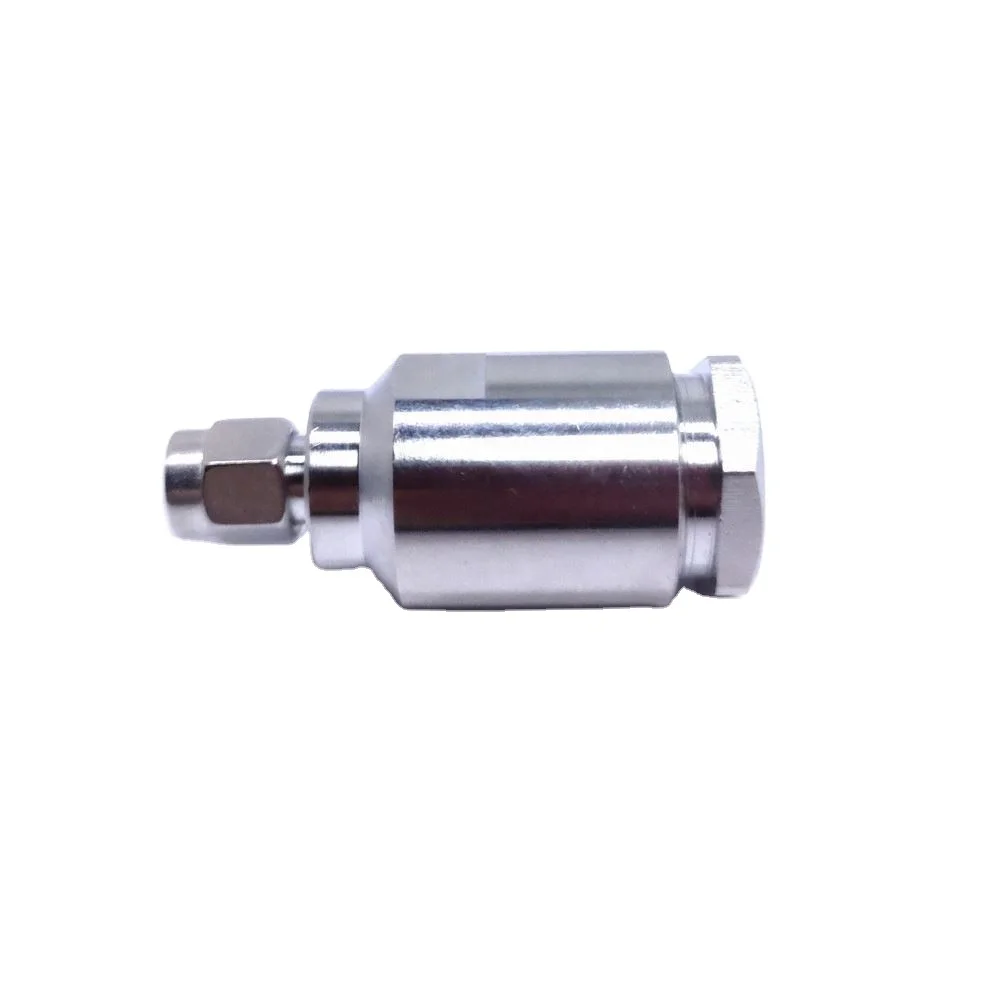
SMA bulkhead connectors are vital components in things such as radios and TV's. They facilitate the coupling of various pieces of equipment. They are unique connectors in that they are small in size, yet extremely strong. Learn more about SMA bulkhead connectors on this article.
AConnector Type: SMA Male to SMA Female"" An SMA bulkhead connector is similar to a SMA bulkhead jack, however, it has a male connector made to be used with an SMA bulkhead jack. It is commonly found in radio frequency (RF) applications on devices such as televisions and radios. The connector includes a tiny pin that fits into a hole in the other device, resulting in a strong connection. This link lets signals pass back and forth between the devices, enabling them to cooperate.
There are various advantages to using SMA bulkhead connectors in an RF application. One of the reasons is that they are small and light, with the result that they can be used easily in confined spaces. Another reason is that they are so strong, they are good for a lot of use without breaking. In addition, SMA bulkhead connectors are extremely rugged, so you can easily keep putting your devices to good use for years to come.
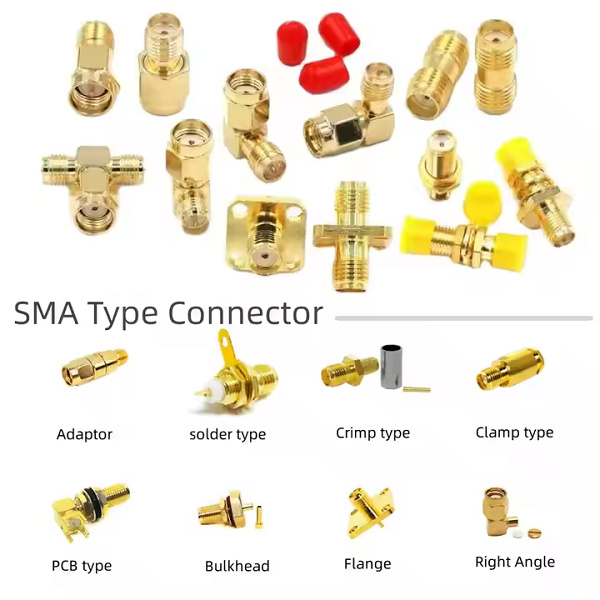
Be careful when inserting SMA bulkhead connectors. Be sure to align the pin on the connector with the hole in the other device before attaching them. It is also crucial to screw the connector in properly, to have a strong connection. If the connector is poorly installed, it might not work well, and it could also hurt your devices.
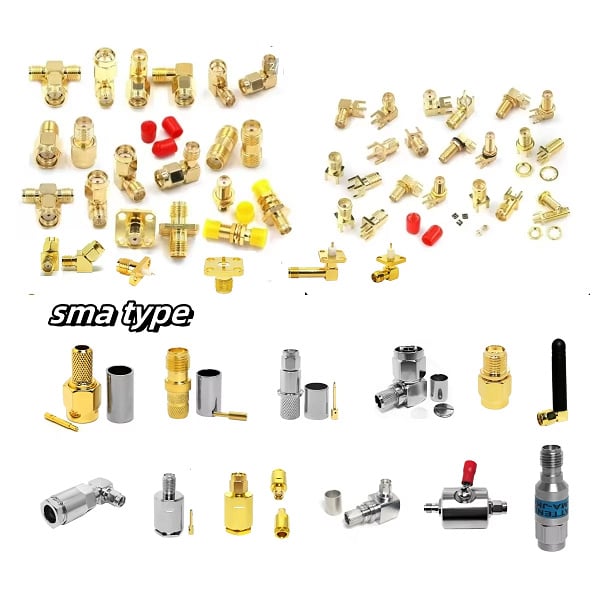
When deciding on an SMA bulkhead connector for your application, consider the size and durability of the connector. Select a connector that is small to fit for your given space but strong for you application. And the connector which could work well with the devices that would like to be connected with each other is important, too, to allow them to work smoothly.
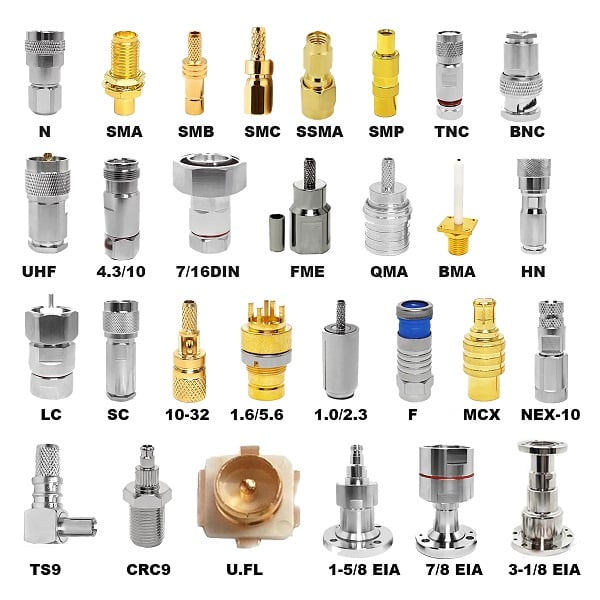
On occasion, SMA bulkhead connectors may be malfunctioning. There are many times the pin on the connector may be bent or broken. If this should occur, you may attempt to straighten the pin carefully with needle-nose pliers. Another thing that can cause this is that the connector is not fully screwed in. If this happens, try to screw it in more, until the connection is good.
sma bulkhead connector Voton Machinery Co., Ltd.is high-tech certification firm, only involved in the research and development, sales service of RF adapters, RF connectors, antennas, coaxial cables, surge arrestor and passive components, but also customized according to customer needs which includes proofing and verification services along product configuration, tests optimization.
products sold North America and Europe, and have partnered with a variety Fortune 500 sma bulkhead connector, well-known universities, and research institutes. We export to more than 140 countries and regions.We are looking forward to working with you as your supplier.
have been sma bulkhead connector by ISO9001, CE RoHS, FCC UL IP68. company also has 18 patents for product inventions is regarded as a top-tech company located Jiangsu Province.Our products certified and high quality, and guaranteed satisfy your needs as a business.
can tailor our products your requirements, which include products, sample services, configuration selection, testing, and optimization services. make sma bulkhead connectorconnectors for N, F and SMA models, addition to BNC TNC, QMA and BNC. We are working hard become major player within the RF industry.
 EN
EN
 AR
AR
 BG
BG
 HR
HR
 CS
CS
 NL
NL
 FI
FI
 FR
FR
 DE
DE
 EL
EL
 HI
HI
 IT
IT
 JA
JA
 KO
KO
 NO
NO
 PL
PL
 PT
PT
 RO
RO
 RU
RU
 ES
ES
 TL
TL
 IW
IW
 ID
ID
 VI
VI
 HU
HU
 TH
TH
 TR
TR
 FA
FA
 MS
MS
 UR
UR
 HA
HA
 JW
JW
 LA
LA
 MY
MY
 KK
KK
 TG
TG
 UZ
UZ
 AM
AM
 PS
PS