
So when you're looking to link two things together in order for them to function–like a TV with an antenna–you may need something called an RF cable connector. RF cable connectors assist in transmitting signals from one place to another so you can watch your favorite programs on television or listen to some music on the radio in your vehicle.
RF cable connectors vary in size and shape, but they are all designed to do the same thing — transmit signals from one device to another. The signal is transmitted in their center, while their outside offers protection to the signal from issues. RF cable connectors are critical in maintaining this connection because they work to ensure the signal gets to and from the desired destination without too much wandering off or monkey stuffing.
When you're choosing an RF cable connector, you need to select the correct one for the task at hand. With some devices you will have better luck with some other connectors. For instance, if you are linking a TV with an antenna, you’ll likely want a connector that is compatible with coaxial cables. If you are connecting devices that are separated by a great distance you may end up needing a longer cable. Be sure to look some things up and ask for help if you’re not sure which connector is the best for you.
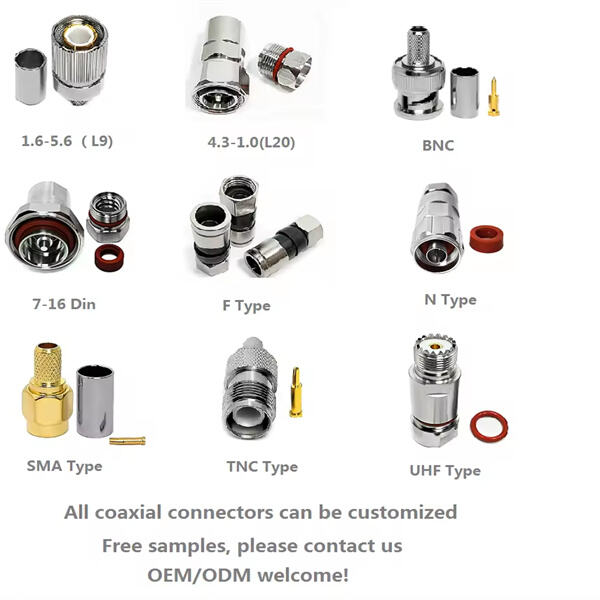
Once you’ve had your hands on the RF cable connector you’ve needed, you’re going to need to be able to add it correctly. Before we start, make sure the devices you want to connect are both powered down and unplugged. Then, gently line up the center portion of the connector with the center pin of your device. Now attach the outer part of your connector to the exterior case of your device. Be sure to screw the connectors in tightly, so that they don’t come undone. Last, switch on the gadgets, and make sure it is a strong signal.
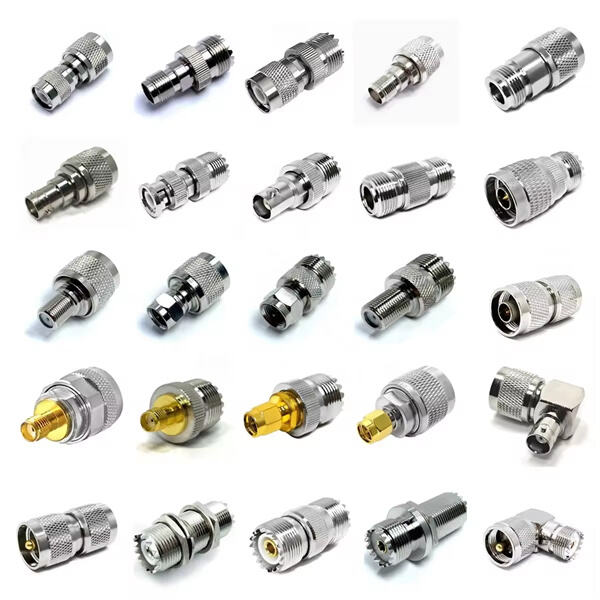
If you are suffering from your signal quality, it may be the time to consider changing your RF cable connectors. Connectors can also wear out or get damaged, which can result in a weak signal. With better connectors, you can have a clear and strong signal. Seek for connection with good materials to help minimize issues. You’d be surprised at how much just an upgrade in connectors can do.
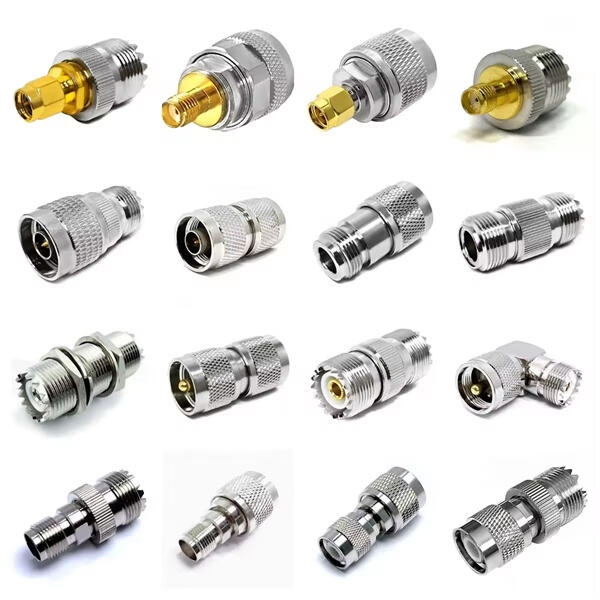
Typically, even with the right connectors and a good install, one may have issues. Typical problems are low signal strength, interference or devices not pairing "right". If you have trouble, verify that the connectors are snug and fitted. You may also want to try switching them out with new ones and see if that makes a difference. Should it persist, seeking assistance from a professional who can pinpoint and alleviate the issue would be advised.
 EN
EN
 AR
AR
 BG
BG
 HR
HR
 CS
CS
 NL
NL
 FI
FI
 FR
FR
 DE
DE
 EL
EL
 HI
HI
 IT
IT
 JA
JA
 KO
KO
 NO
NO
 PL
PL
 PT
PT
 RO
RO
 RU
RU
 ES
ES
 TL
TL
 IW
IW
 ID
ID
 VI
VI
 HU
HU
 TH
TH
 TR
TR
 FA
FA
 MS
MS
 UR
UR
 HA
HA
 JW
JW
 LA
LA
 MY
MY
 KK
KK
 TG
TG
 UZ
UZ
 AM
AM
 PS
PS