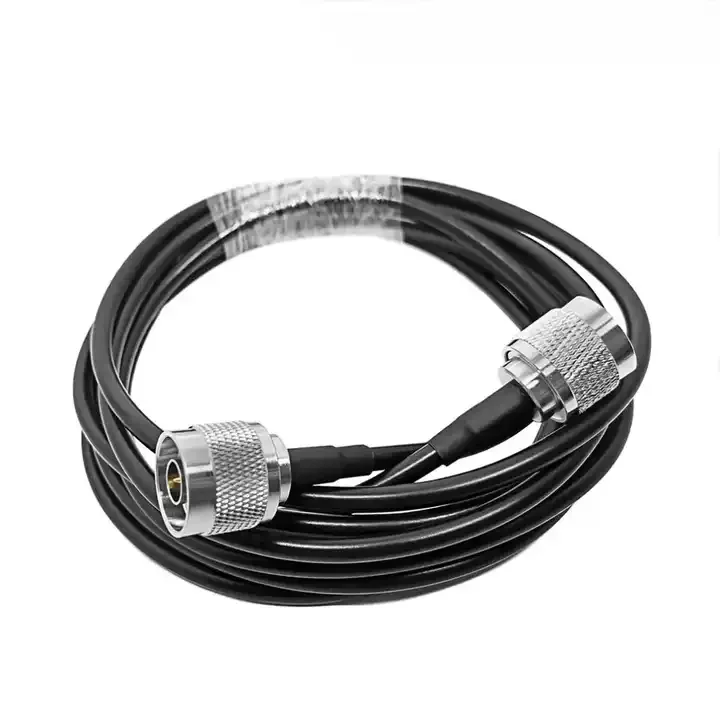
Cable assembly coaxial commonly used in a variety of electrical connection. You need to choose the correct one for what you want. Quality cable assembly coaxial may prove to be beneficial in many ways. So let's discuss this important component!
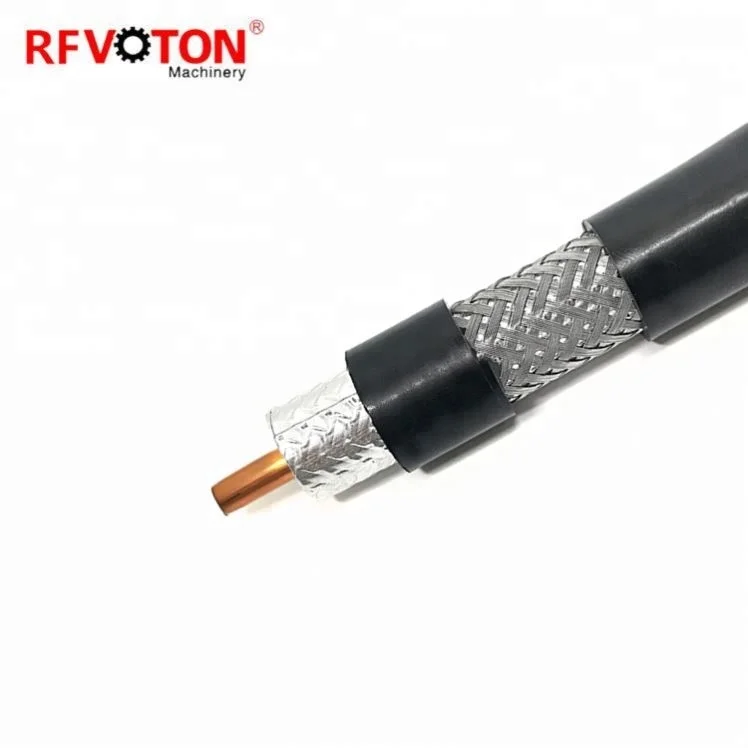
Undoubtedly, if you are new to the world of electrical systems you have heard the term cable assembly coaxial. " This is the part that helps transmit electrical signals between the devices. It consists of a central wire (or wires), surrounded by a layer (or layers) of insulating material, which in turn is covered by an outer layer. Understanding how cable assembly coaxial operates can help you decide with confidence how to configure your electrical systems.
Importance of cable assembly coaxial in electrical system There is a very importance material in the electrical systems, called the cable assembly coaxial. It is commonly used to hook up such devices as TV, radio or computer to antenna or other source. The inner wire transmits the electrical signal and the outer layer helps provide shielding from other signals. This design is very good for signals travelling across long lengths.
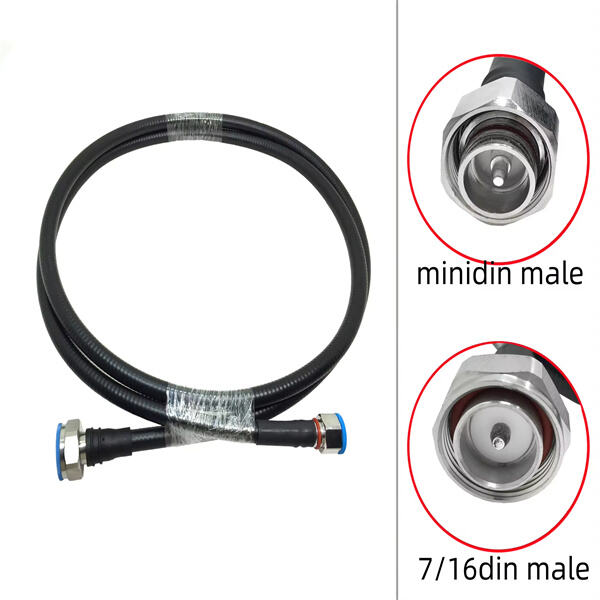
This is the down-low when selecting a cable assembly coaxial for your electrical system. Firstly, the impedance of the cable should be suited to the devices. Then look at what frequency range this cable will be used for. Not all cables are created equal when it comes to signal and bandwidth. Third, where will the cable be used? Some cables are sturdier and more weather-resistant than others.
High quality cable assembly coaxial can do a lot of good things to your electrical system. That’s because these cables are designed to send signals very well with minimal interference. They are stronger and have a longer shelf life as well, meaning you won’t find yourself running out and needing to replace them very often. And high-quality cables can make your devices work better, resulting in clearer signals and better connections.
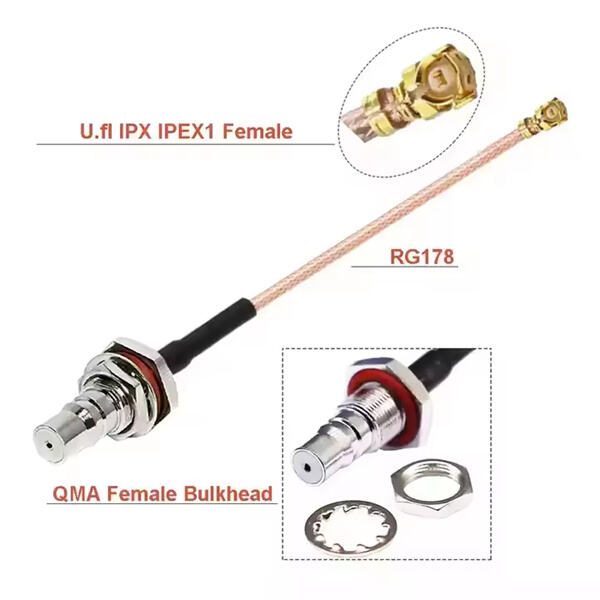
Although they offer numerous advantages, there are occasions when coaxial connections in cable assembly may fail. One of the most common problems is signal loss, which can be the result of loose connections or damaged cables. To remedy this, inspect for any loose connections and tighten all cables. Another issue to watch out for is signal interference, which can stem from nearby electronics or other factors. To mitigate this, shift the cables away from objects that can cause interference; also, consider using shielded cables.
have passed certifications like ISO9001, CE RoHS, FCC UL IP68. also hold 18 patents for our cable assembly coaxialand recognized as an enterprise with high-tech capabilities within Jiangsu Province. products have been tested and certified meet the needs of your business, they are excellent quality.
export more than 140 countries regions. e export cable assembly coaxialto over 140 countries and regions.
can customize according the needs customers, such as the provision of samples, product configurations, testing as well as optimization services. make coaxial connectors for N, F and SMA cable assembly coaxial, addition to BNC TNC, QMA and BNC. are currently preparing ourselves to be an important player the RF industry.
Zhenjiang Voton Machinery., Ltd.a high-tech certification enterprise, not only involved R and D and sales, but also service and maintenance of RF adapters, RF connectors, coaxial cables and antennas, but also in the production of surge arrestors, and passive components however, they also customize according to customer needs which includes proofing cable assembly coaxial services and product configuration selection testing optimization services.
 EN
EN
 AR
AR
 BG
BG
 HR
HR
 CS
CS
 NL
NL
 FI
FI
 FR
FR
 DE
DE
 EL
EL
 HI
HI
 IT
IT
 JA
JA
 KO
KO
 NO
NO
 PL
PL
 PT
PT
 RO
RO
 RU
RU
 ES
ES
 TL
TL
 IW
IW
 ID
ID
 VI
VI
 HU
HU
 TH
TH
 TR
TR
 FA
FA
 MS
MS
 UR
UR
 HA
HA
 JW
JW
 LA
LA
 MY
MY
 KK
KK
 TG
TG
 UZ
UZ
 AM
AM
 PS
PS