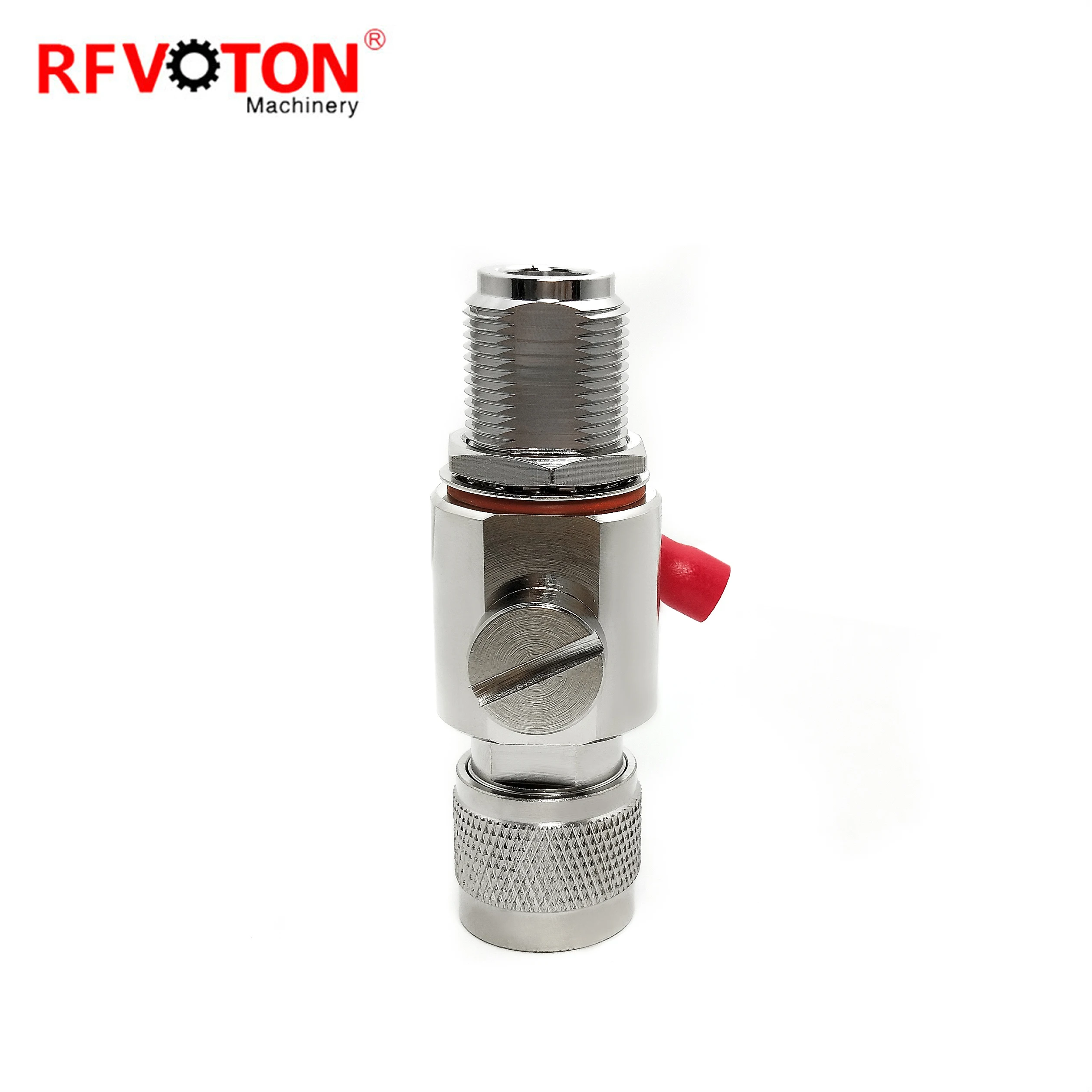
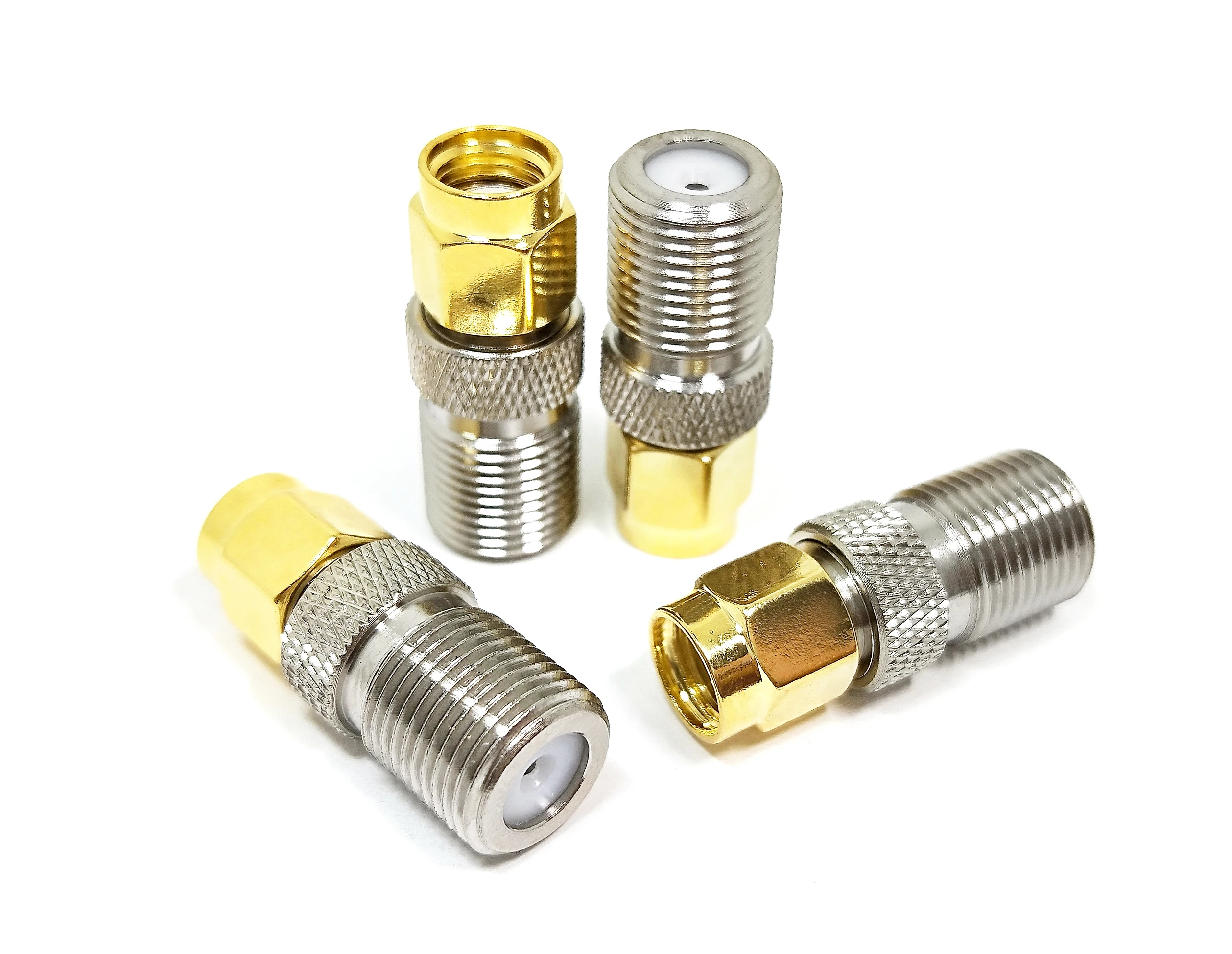
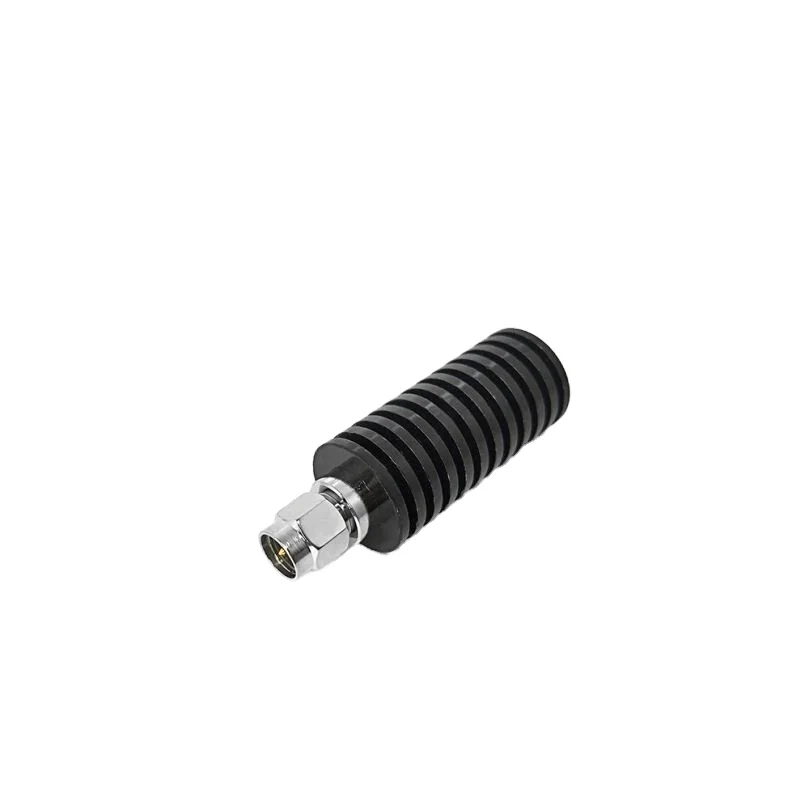
Let's take a look at the 50 ohm BNC connector! Have you ever heard of it? If not, don’t fret; we’ll tell you what it is. The 50 ohm BNC connector is unique tool that can bring electronic entities together. That’s important because it helps ensure that information is able to flow seamlessly among different devices.
There are many benefits when using a 50 ohm BNC connector in your electronics. One huge plus is it also helps maintain a strong association between devices. This is very critical for ensuring that signals are transmitted properly. That means you can rely on your electronics to work seamlessly without so much as a hiccup.
How to install and maintain 50 ohm BNC connectors "Done?" "Check." "Lock Your Cock." "Done." "Check."Ethernet For those of you who clicked on the link looking for "ways to properly install and maintain a 50 ohm BNC connector," and are instead confronted with a paragraph full of men's underwear, good news: The mission is already accomplished!
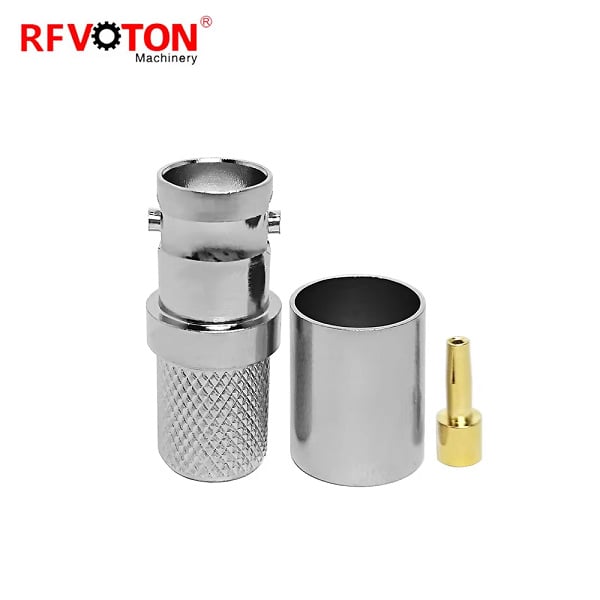
Using and maintaining a 50 ohm BNC connector is simple! To use it, you just plug it into the device you want to pair. Make sure to twist it tight to keep the connection secure. To keep it in good working condition, inspect it regularly for any damage and replace as necessary. This can help keep your electronic devices functioning well.
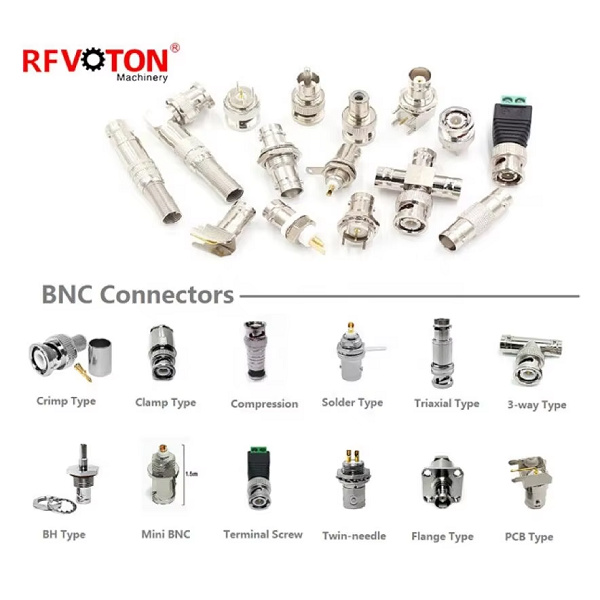
When dealing with a 50 ohm BNC connecter, impedance must be matched precisely. Impedance is analogous to how quickly signals travel through a device. Signals bouncing back and forth are what cause problems and poor signal quality so if the impedances do not match, that is an issue. Using a 50 ohm BNC connector and matched impedance technology, you can achieve a smooth and efficient signal, and the result is clear.
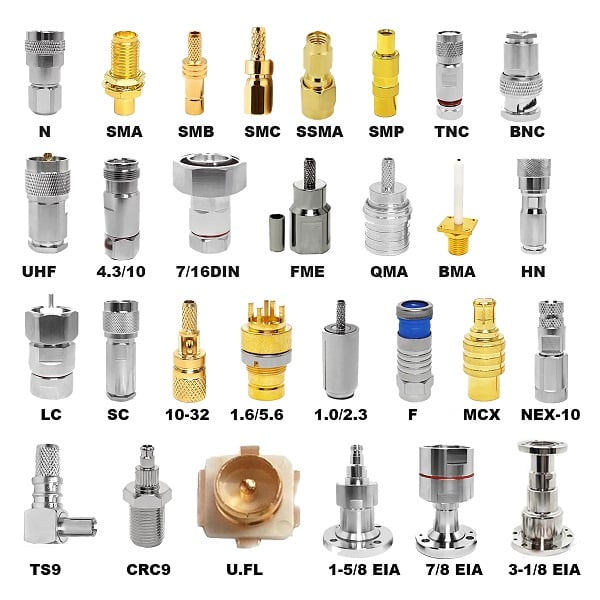
Various 50 Ohm BNC connectors made for various use-cases. Some of the connectors are straight, and some are bent to fit into tight places. They can also vary in size and material, based on users’ needs. 50 Ohm BNC is a common type of RF connector where an extremely reliable RF connection is necessary.
offer a variety of services to fulfill needs of our customers for example, samples, product configuration tests, optimization services. 50 ohm bnc connectorcoaxial connectors in SMA, N and F models, as well as BNC TNC, QMA and. are in the process of becoming important participant in the RF field.
has passed certifications such as ISO9001, CE, RoHS, FCC, UL, IP68. company also holds 18 patents products and recognized as a hi-tech company 50 ohm bnc connectorProvince.Our products certified and high quality, guaranteed to meet your business needs.
Zhenjiang Voton Machinery., Ltd.a high-tech certification enterprise, not only involved R and D and sales, but also service and maintenance of RF adapters, RF connectors, coaxial cables and antennas, but also in the production of surge arrestors, and passive components however, they also customize according to customer needs which includes proofing 50 ohm bnc connector services and product configuration selection testing optimization services.
products mainly shipped North America and Europe, and we've worked with variety of Fortune 500 companies, well-known 50 ohm bnc connector, and research institutions. export our products to more than 140 countries and regions.anticipate working with you as your supplier.
 EN
EN
 AR
AR
 BG
BG
 HR
HR
 CS
CS
 NL
NL
 FI
FI
 FR
FR
 DE
DE
 EL
EL
 HI
HI
 IT
IT
 JA
JA
 KO
KO
 NO
NO
 PL
PL
 PT
PT
 RO
RO
 RU
RU
 ES
ES
 TL
TL
 IW
IW
 ID
ID
 VI
VI
 HU
HU
 TH
TH
 TR
TR
 FA
FA
 MS
MS
 UR
UR
 HA
HA
 JW
JW
 LA
LA
 MY
MY
 KK
KK
 TG
TG
 UZ
UZ
 AM
AM
 PS
PS