이제 우리는 무선 통신에서와 마찬가지으로, 신호가 케이블을 통해 전달될 때 약해진다는 것을 알고 있습니다. 이는 감쇠라고 불리는 과정으로 인해 약화된다는 것을 의미합니다. 라디오 주파수(RF) 시스템을 올바르게 구성하기 위해 설계할 때 이러한 감쇠를 고려하는 것은 매우 중요합니다. 가장 일반적으로 사용되는 케이블 중 하나는 LMR400입니다. 이러한 동축 케이블의 예로는 신호를 전송하는 데 사용되는 케이블이 있습니다. 우리는 신호가 강하고 선명하도록 감쇠를 매우 작게 만들어야 합니다. 본 문서에서는 LMR400 감쇠가 무엇인지, 이를 줄이는 방법, 그리고 어떤 요인들이 이를 영향을 미치는지에 대해 설명하며, 유용한 팁들도 제공하겠습니다.
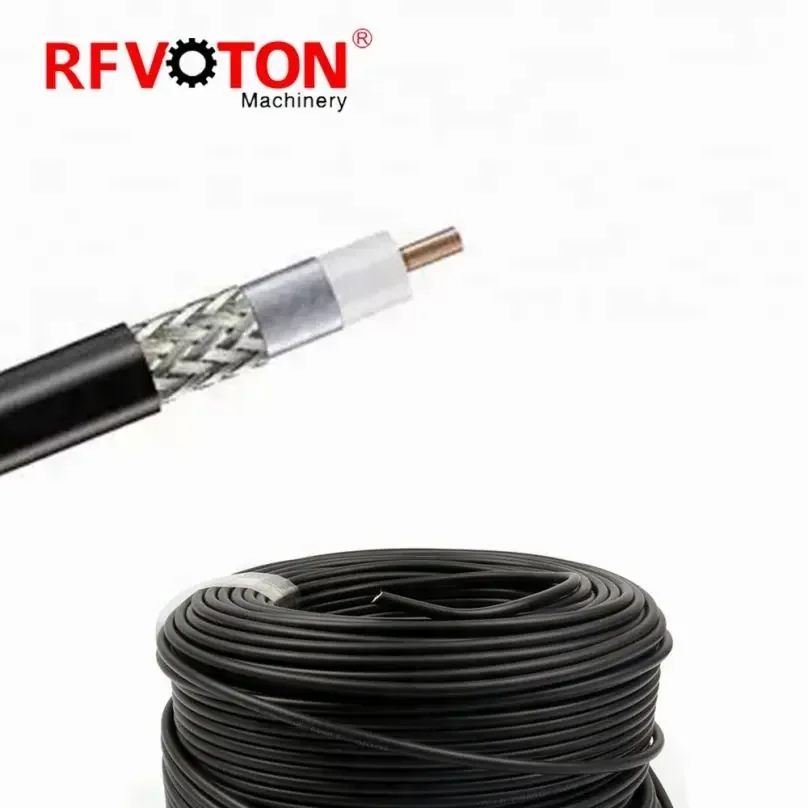
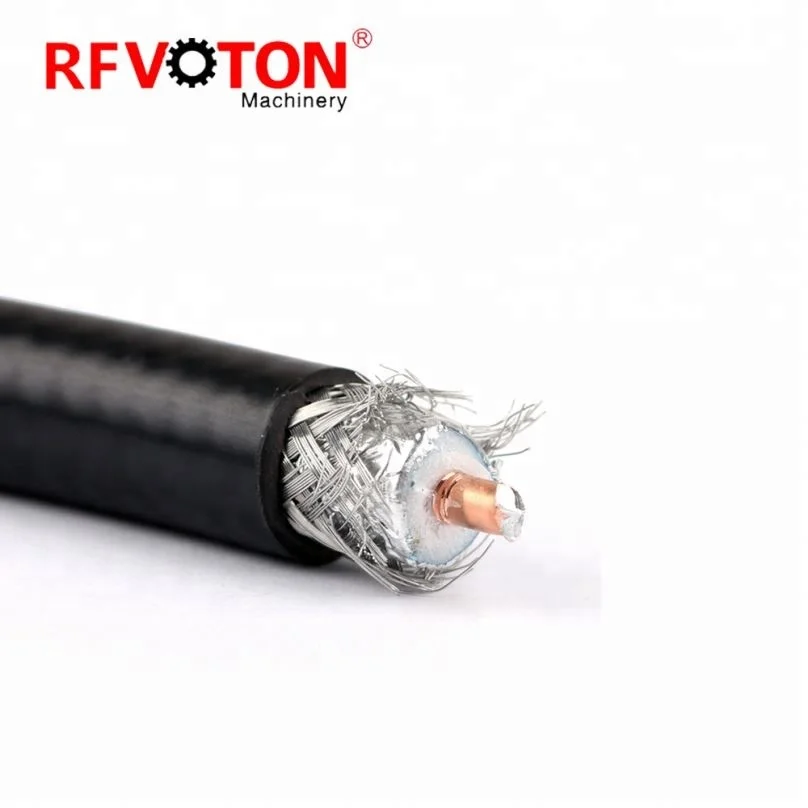
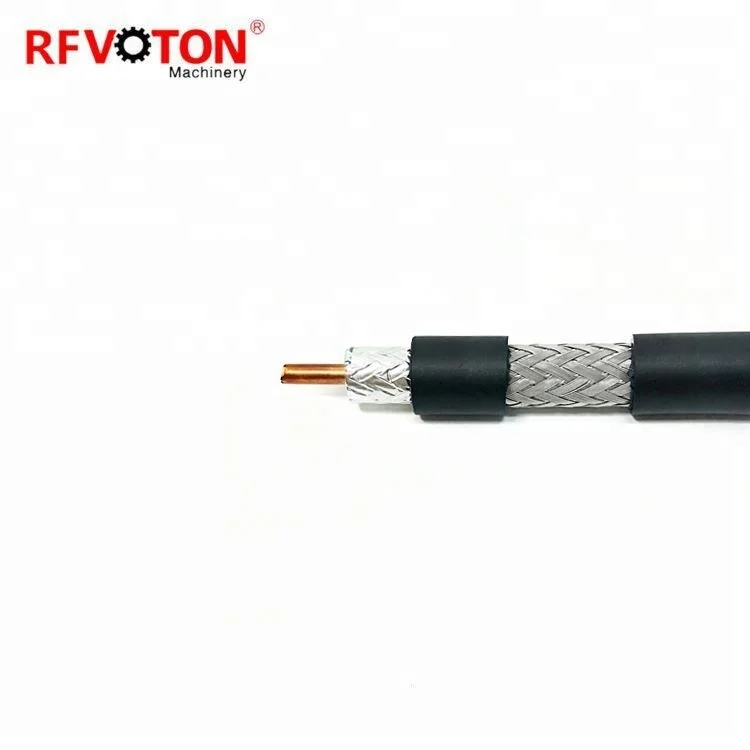
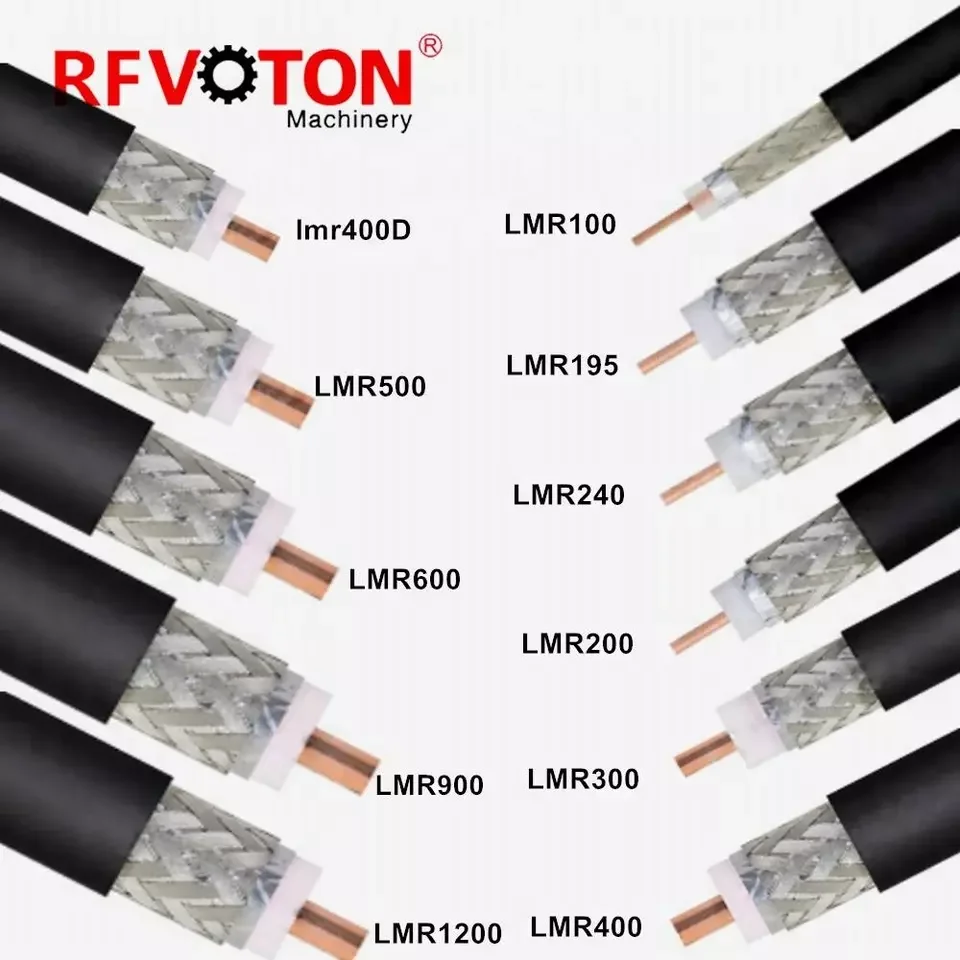
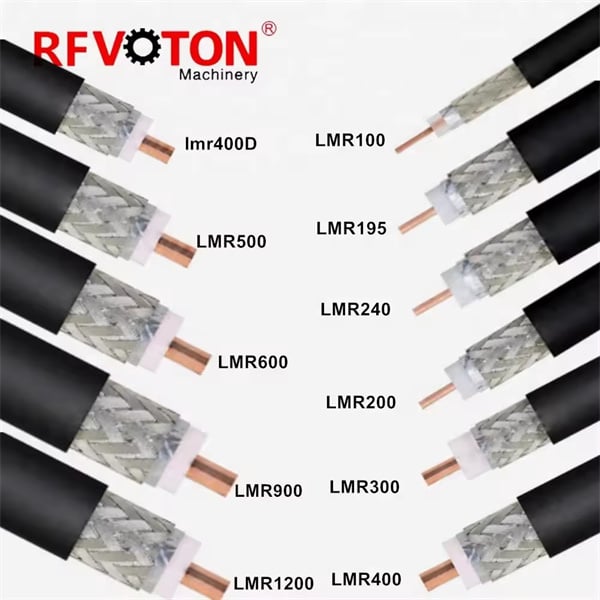
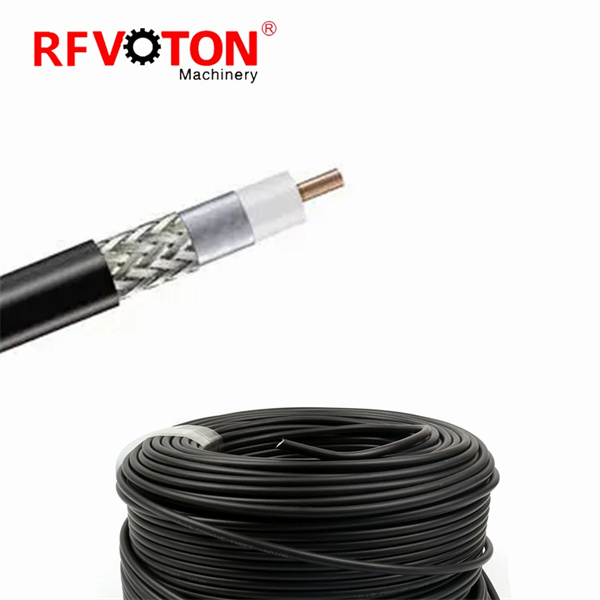
LMR400은 네 가지 주요 부분으로 구성됩니다. 첫 번째는 신호를 전달하는 내부 도체입니다. 여기에 신호를 강화하기 위해 절연층이 들어갑니다. 세 번째는 외부 간섭을 막기 위한 브레이드 쉴드입니다. 마지막으로 모든 것을 보호하는 외피가 있습니다. 신호가 케이블을 통해 이동할 때 에너지 손실이 발생할 수 있습니다. 이 손실은 케이블의 저항, 유전체 흡수, 방사 등 다양한 요인에 의해 발생합니다. 짧은 케이블의 경우 신호 감쇠가 매우 적어(즉, 이렇게 짧은 케이블 길이에서는 에너지 손실이 합리적으로 무시될 수 있습니다).
에너지 손실의 양은 몇 가지 요인에 따라 달라집니다. 중요한 요소 중 하나는 케이블 길이입니다. 만약 케이블이 길다면 더 많은 에너지가 손실됩니다. 또 다른 요인은 신호를 보내는 빈도입니다. Wi-Fi와 같이 높은 주파수를 사용하는 신호는 일반적인 라디오 송신에서 사용되는 낮은 주파수 신호보다 보통 더 많은 에너지를 잃습니다. 이러한 모든 요인들은 우리가 신호가 충분히 강하도록 하기 위해 이해해야 할 중요합니다.
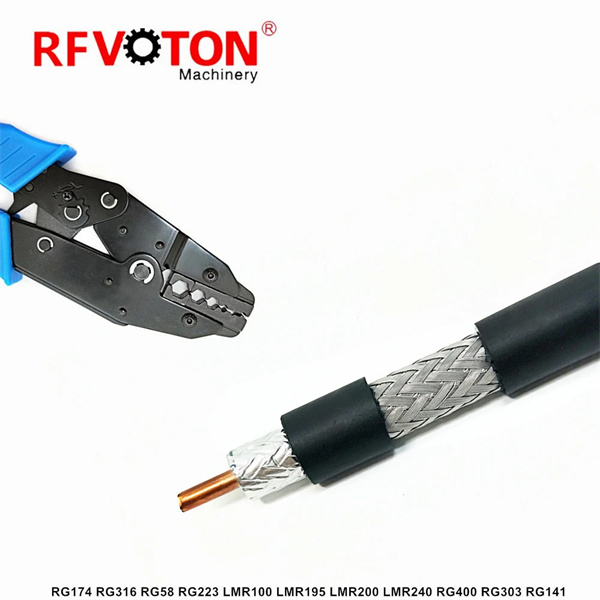
연결 확인: 장치에 케이블이 안전하게 연결되어 있는지도 필수적으로 확인해야 합니다. 느슨한 케이블이나 올바르게 연결되지 않은 케이블도 많은 신호 손실을 초래할 수 있습니다. 항상 연결부를 점검하여 수밀성이 유지되도록 하십시오.
LMR400 케이블의 감쇠를 측정할 때, 적절한 테스트 장비를 사용하는 것이 매우 중요합니다. 공기 누출 탐지기와 같은 일부 도구는 다른 것들보다 더 나은 성능과 정확도를 제공합니다. 또한 테스트 장비 자체에서 발생할 수 있는 손실을 고려하는 것도 중요합니다.
손실을 측정할 때 염두에 두어야 할 또 다른 중요한 요인은 온도입니다. 온도 변화로 인해 측정 오류가 발생할 수 있습니다. 이를 방지하기 위해 일정하고 안정적인 온도에서 측정을 수행하는 것이 가장 좋습니다. 이렇게 하면 결과가 유효하다는 데 대해 더욱 확신할 수 있습니다.
이것은 케이블의 유형에 따라 다를 수 있으므로 염두에 두어야 할 점입니다. 일반적으로 더 두껍고 고품질의 케이블일수록 얇거나 품질이 낮은 케이블보다 손실이 적습니다. LMR400 케이블 (10m 길이)이 2.4 GHz에서 탭에서 직접 연결될 경우 단지 (0.4 dB 손실)만 발생합니다. 표준 케이블 대 업그레이드: 같은 길이와 주파수를 유지하면서도 더 얇거나 저렴한 케이블은 실제로 더 큰 신호 손실을 초래할 수 있어 효과적이지 않을 수 있습니다.
140개 이상의 국가 및 지역으로 수출. 140개 이상의 국가 및 지역으로 수출합니다. 귀사와 LMR400 로스 케이블을 파트너로 협력하게 될 것을 기대합니다.
진장 보톤 기계 유한공사(Zhenjiang Voton Machinery Co., Ltd.)는 RF 어댑터, 안테나, 커넥터, 케이블, 서지 보호기, 패시브 부품 등의 연구개발(R&D) 및 서비스 판매를 전문으로 하는 고신기술 기업입니다. 또한 고객의 요구에 따라 시험, 시제품 제작, 구성 선택 테스트, 최적화 등 다양한 맞춤형 서비스도 제공합니다.
iSO9001, CE, RoHS, FCC, UL, IP68 등의 인증을 획득했으며, 18개의 특허 제품(LMR400 Loss 포함)을 보유하고 있습니다. 또한 장쑤성에서 첨단 기술 기업으로 인정받고 있습니다. 당사 제품은 인증을 획득한 고품질 제품으로, 고객 여러분의 비즈니스 요구를 충족시켜 드릴 것을 보장합니다.
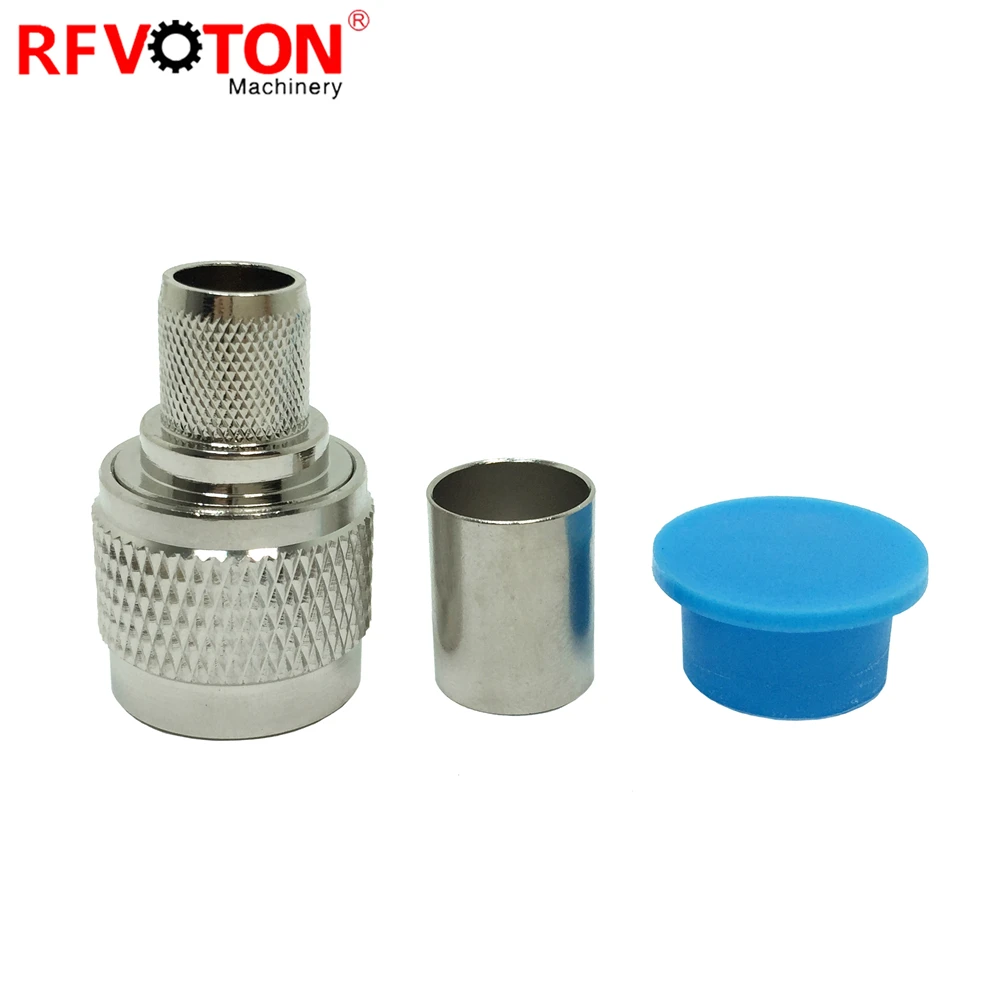
고객 요구 사항에 부합하는 다양한 서비스를 제공합니다. 예를 들어, 샘플 서비스, 제품 구성 테스트, LMR400 손실 측정, 구성 서비스 등이 있습니다. 동축 커넥터(SMA, N, F, BNC, TNC, QMA, EIA, 7/16 DIN, 4.3/10, UHF, MCX, L9, M5, 10-23 등) 및 기타 모델을 생산합니다. RF 분야에서 중요한 기업으로 성장하기 위해 노력하고 있습니다.

 EN
EN
 AR
AR
 BG
BG
 HR
HR
 CS
CS
 NL
NL
 FI
FI
 FR
FR
 DE
DE
 EL
EL
 HI
HI
 IT
IT
 JA
JA
 KO
KO
 NO
NO
 PL
PL
 PT
PT
 RO
RO
 RU
RU
 ES
ES
 TL
TL
 IW
IW
 ID
ID
 VI
VI
 HU
HU
 TH
TH
 TR
TR
 FA
FA
 MS
MS
 UR
UR
 HA
HA
 JW
JW
 LA
LA
 MY
MY
 KK
KK
 TG
TG
 UZ
UZ
 AM
AM
 PS
PS